







What's Happening?
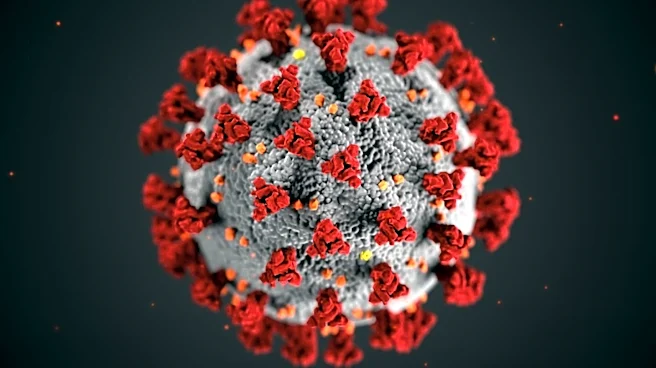
The Democratic Republic of the Congo is experiencing a severe Ebola outbreak caused by the Bundibugyo strain, which lacks an approved vaccine or treatment. The outbreak, declared on May 15, 2026, has resulted in 600 deaths and 1,759 confirmed cases. The disease
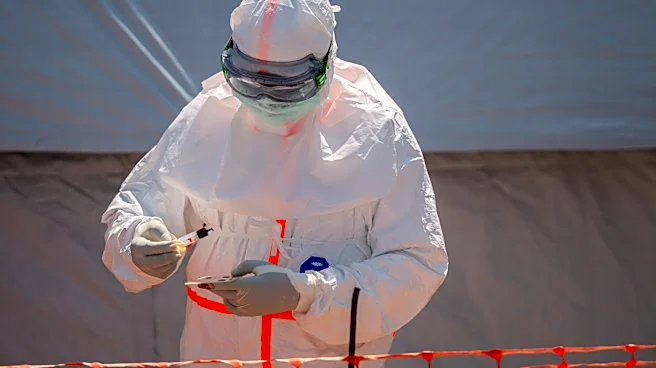
is spreading rapidly, with new suspected cases reported in previously unaffected areas such as Tshopo and Haut-Uele provinces. Efforts to contain the virus are hindered by ongoing conflict, attacks on health centers, and funding shortages. Clinical trials for a new treatment have commenced, offering some hope in combating the virus.
Why It's Important?
The outbreak poses a significant public health challenge, threatening to destabilize the region further. The rapid spread of the virus could lead to increased mortality and strain on healthcare systems. The lack of an approved vaccine or treatment exacerbates the situation, making containment efforts more difficult. The outbreak's impact extends beyond health, potentially affecting economic stability and international relations as global health organizations and governments may need to intervene. The situation underscores the need for robust healthcare infrastructure and international cooperation in managing infectious disease outbreaks.
What's Next?
Authorities are investigating the new suspected cases to prevent further spread. The ongoing clinical trials for a new treatment could provide a breakthrough if successful. International aid and funding will be crucial in supporting containment efforts and healthcare services. The global health community may increase its involvement to prevent the outbreak from becoming a larger international crisis. Monitoring and rapid response will be essential in managing the situation effectively.