







What's Happening?
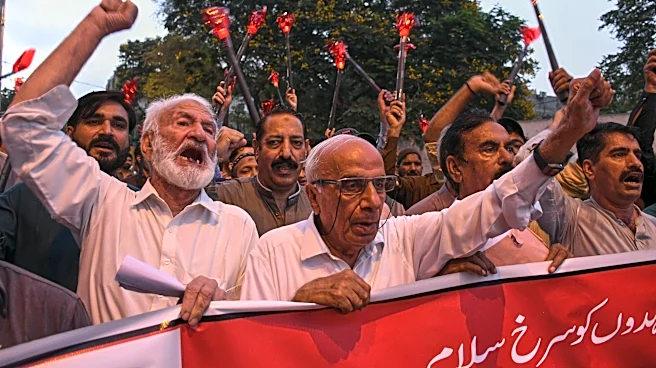
In Minneapolis, May Day organizers are advocating for improved wages and benefits while also voicing opposition to Immigration and Customs Enforcement (ICE). The event, traditionally associated with labor rights, has expanded its focus to include immigration
issues. Participants are using the occasion to highlight the need for economic justice and to protest against ICE's policies, which they argue negatively impact immigrant communities. The demonstration is part of a broader movement that seeks to address both economic and social justice issues, reflecting the interconnected nature of these challenges.
Why It's Important?
The May Day event in Minneapolis underscores the ongoing struggle for labor rights and the intersection with immigration issues. By linking demands for better wages and benefits with criticism of ICE, organizers are highlighting the broader socio-economic challenges faced by immigrant communities. This approach reflects a growing trend in labor movements to address a wider range of social justice issues. The event could influence public policy by drawing attention to the need for comprehensive reforms that address both economic inequality and immigration policies. It also serves as a platform for marginalized voices, potentially impacting future legislative agendas.
What's Next?
Following the May Day event, organizers may continue to push for policy changes at both local and national levels. This could involve lobbying efforts, community organizing, and collaboration with other social justice groups. The response from political leaders and policymakers will be crucial in determining the next steps. If the movement gains traction, it could lead to legislative proposals aimed at improving labor conditions and reforming immigration policies. The ongoing dialogue between activists and government officials will likely shape the future direction of these efforts.