




What's Happening?
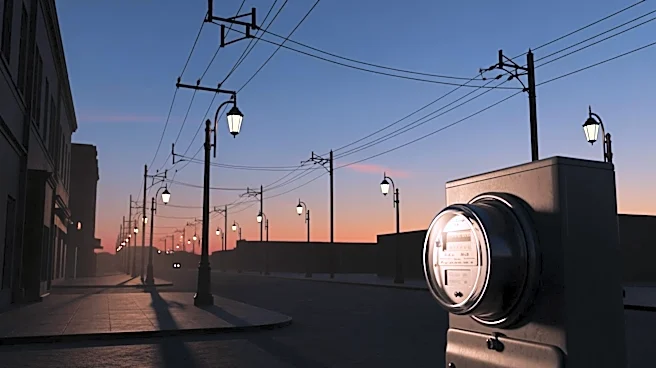
RTVI US has published a special report titled 'Cuba in the Dark,' which examines the severe energy crisis in Cuba and its profound impact on daily life. The report highlights the challenges faced by residents due to prolonged blackouts, fuel shortages,
and supply disruptions. Many areas experience electricity for only one to two hours a day, forcing residents to rely on wood or charcoal for cooking and candles for lighting. The crisis has also affected transportation, with a shift from old American cars to electric three-wheeled motorcycles, which are at risk due to limited electricity. The shortages extend to food and medicine, with residents stockpiling essentials and reducing meals. The report also notes the economic impact on tourism and the growing public dissent, marked by protests involving banging pots and pans.
Why It's Important?
The energy crisis in Cuba is a significant humanitarian issue, affecting the basic needs and quality of life for its residents. The lack of reliable electricity and fuel disrupts daily routines and exacerbates existing economic hardships. The crisis also poses a threat to Cuba's tourism industry, a vital economic sector, potentially leading to further economic decline. The public protests indicate rising social unrest, which could lead to broader political implications. Understanding the situation in Cuba is crucial for international stakeholders, including policymakers and humanitarian organizations, as they consider responses to alleviate the crisis and support the Cuban population.