


What's Happening?
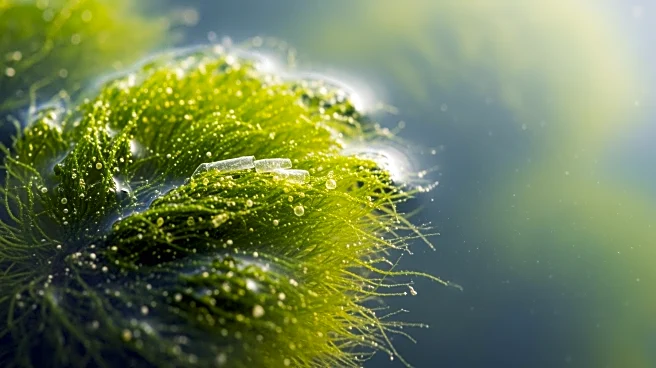
Researchers from the University of Missouri and Texas A&M University have developed genetically engineered algae capable of removing microplastics from wastewater. The algae, engineered to produce limonene, enhance interactions with microplastics, enabling
rapid aggregation and removal. This approach, known as RUMBA, integrates microplastic removal with cyanobacterial bioproduction and wastewater treatment, offering a sustainable solution to environmental pollution.
Why It's Important?
Microplastics pose a significant threat to ecosystems and human health. Traditional remediation methods are often costly and inefficient. The development of RUMBA represents a breakthrough in sustainable bioremediation, potentially reducing environmental contamination and promoting circular economy practices. This innovation could lead to more effective management of microplastic pollution, benefiting both the environment and public health.
What's Next?
Further refinement and integration of this technology into existing wastewater treatment systems could enhance its effectiveness and scalability. As research progresses, RUMBA may become a key component of global efforts to address microplastic pollution, with potential applications in various environmental and industrial settings.