






What's Happening?
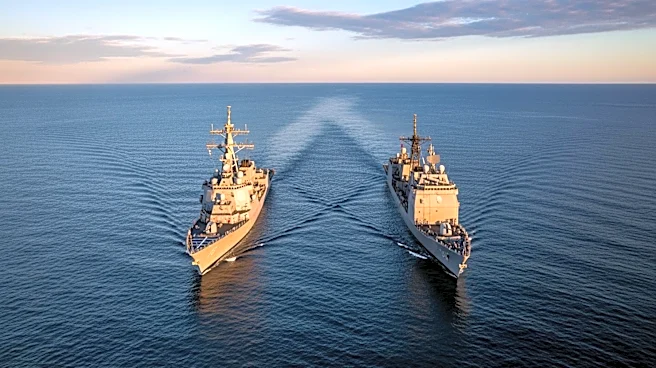
Lockheed Martin has been awarded a contract to integrate the Patriot missile, an Army missile interceptor, into the U.S. Navy's Aegis combat system. This marks the first time the weapon will be deployed at sea, a significant milestone for the company.
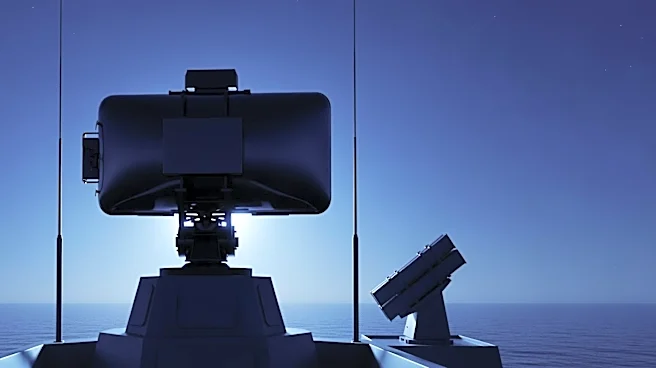
The decision to arm Navy vessels with Patriot Advanced Capability-3 Missile Segment Enhancement (PAC-3 MSE) interceptors is driven by concerns over potential threats from China's hypersonic weapons in the Pacific. The integration aims to bolster the missile defense shield of the Navy's destroyers. Lockheed Martin has been pursuing this integration for several years, and the new contract represents a concrete step towards deploying the Army interceptor on Navy surface ships. The demand for the Patriot weapon has increased, with production set to triple over the next seven years, from 600 to over 2,000 missiles annually.
Why It's Important?
The integration of the Patriot missile into the Navy's Aegis combat system is a strategic move to enhance the United States' maritime defense capabilities. This development is crucial in the context of rising tensions and potential threats in the Pacific region, particularly from China. By equipping Navy vessels with advanced interceptors, the U.S. aims to protect its fleet from high-speed, maneuvering ballistic missiles. The increased production of the Patriot missiles also indicates a significant investment in national defense, potentially impacting defense contractors and related industries. This move could lead to increased security for U.S. naval operations and influence geopolitical dynamics in the region.
What's Next?
Following the contract award, Lockheed Martin will begin the integration process of the Patriot missiles into the Navy's Aegis system. This will involve collaboration with the Pentagon and other defense stakeholders to ensure successful deployment. The increased production of the missiles will require scaling up manufacturing capabilities and possibly expanding the workforce. The U.S. Navy will likely conduct tests and evaluations to assess the effectiveness of the integrated system. Additionally, this development may prompt reactions from other nations, particularly those in the Pacific region, potentially influencing future defense strategies and alliances.