






What's Happening?
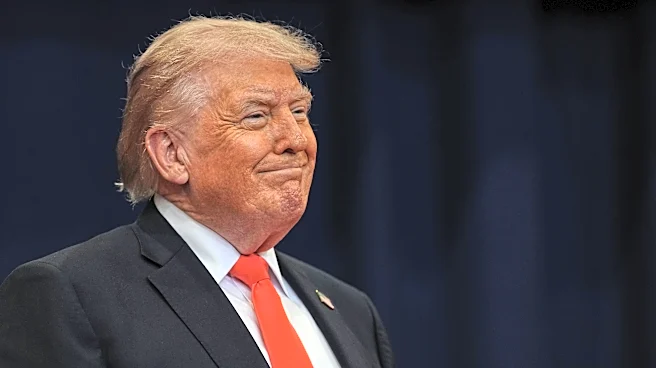
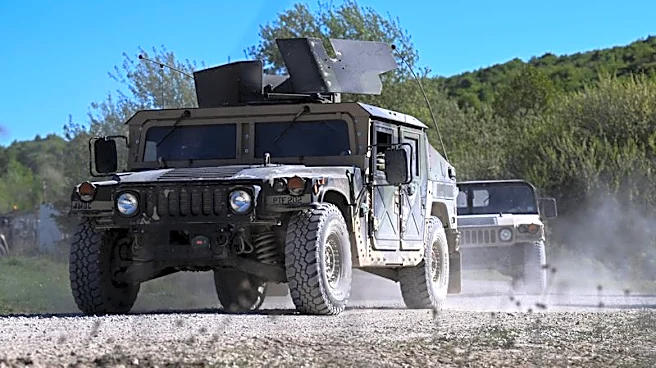
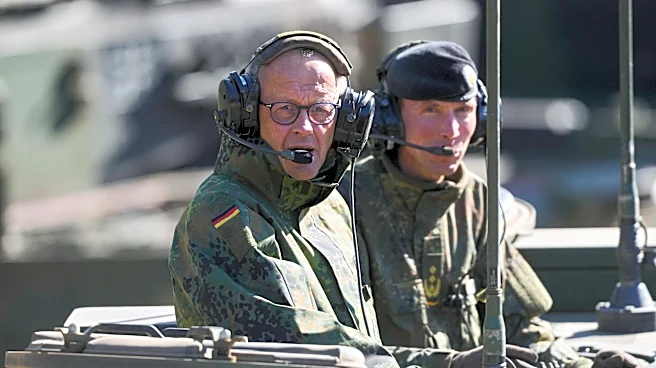
The United States has announced plans to withdraw 5,000 troops from Germany, a move that has been anticipated since President Trump first threatened it during his term. German Defense Minister Boris Pistorius emphasized the need for European nations to take
more responsibility for their own defense while maintaining that American military presence in Europe benefits both sides of the transatlantic partnership. The withdrawal is expected to occur over the next six to twelve months. NATO spokesperson Allison Hart stated that the alliance is working with the U.S. to understand the details of the decision, highlighting the importance of continued investment in defense by European countries.
Why It's Important?
The planned troop withdrawal underscores a shift in U.S. military strategy and its commitment to European security. This decision could impact NATO's deterrence capabilities and signal a need for European countries to increase their defense spending and capabilities. The move may also affect the geopolitical balance in Europe, particularly in light of ongoing tensions with Russia. The withdrawal could lead to increased pressure on European NATO members to shoulder more of the defense burden, potentially altering the dynamics of transatlantic security cooperation. The decision reflects broader discussions about the future of U.S. military presence in Europe and its implications for global security.
What's Next?
As the U.S. proceeds with the troop withdrawal, European countries, particularly Germany, may need to reassess their defense strategies and increase their military capabilities. NATO will likely continue to engage in discussions with the U.S. to ensure a coordinated approach to security challenges. The withdrawal may prompt European nations to accelerate their defense spending and infrastructure development to compensate for the reduced U.S. presence. The situation could also lead to increased diplomatic efforts to strengthen transatlantic ties and address potential security gaps. The decision may influence future U.S. military deployments and its role in global security alliances.
Beyond the Headlines
The U.S. troop withdrawal from Germany could have broader implications for the transatlantic relationship and NATO's cohesion. It may lead to increased calls for European strategic autonomy and a reevaluation of the alliance's long-term goals. The situation also raises questions about the effectiveness of current defense spending targets and the need for a more integrated European defense policy. The ongoing tensions with Russia highlight the importance of maintaining a strong and united NATO to address security challenges in the region. The developments may also influence public opinion on defense policies and the role of military alliances in ensuring national security.