








What's Happening?
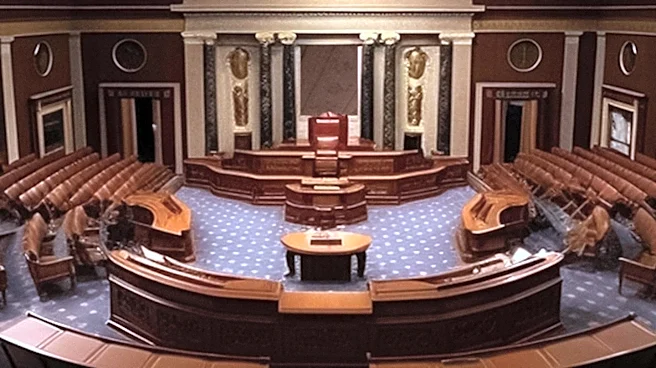
The U.S. House of Representatives has passed the Faster Labor Contracts Act (FLCA) with a vote of 230-193, including support from 20 Republicans. The bill, led by Democrats, aims to expedite the process of negotiating first contracts after workers unionize.
It mandates that negotiations begin within 10 days of a collective bargaining request, with a 90-day negotiation period followed by 30 days of mediation. If no agreement is reached, a three-person arbitration panel can impose a contract binding for two years. Proponents, including Sen. Josh Hawley and Rep. Pete Stauber, argue it empowers workers by holding employers accountable. However, critics like Rep. Tim Walberg warn it erodes workers' rights by allowing government-appointed panels to impose contracts, potentially sidelining individual worker input.
Why It's Important?
The passage of the FLCA is significant as it reflects ongoing debates about labor rights and the role of government in union negotiations. Supporters see it as a necessary reform to prevent employers from stalling contract talks, thus empowering workers. However, opponents argue it undermines worker autonomy by allowing external arbitrators to dictate terms, potentially disregarding individual worker preferences. This legislation could reshape labor relations by prioritizing speed over comprehensive negotiation, impacting both employers and employees across various industries. The bill's progression highlights a shift in Republican support towards populist labor reforms, indicating potential changes in party dynamics and labor policy.
What's Next?
The FLCA now moves to the Senate, where its future is uncertain due to Republican control. Key figures like Sen. Bill Cassidy have criticized the bill for removing workers' ability to ratify contracts, suggesting it may face significant opposition. The outcome will depend on whether other senators share these concerns or align with the populist push for labor reform. If passed, the bill could lead to increased federal involvement in labor negotiations, potentially prompting further legislative or judicial challenges. Stakeholders, including unions, employers, and policymakers, will likely continue to debate the balance between efficient contract resolution and preserving worker rights.