




What's Happening?
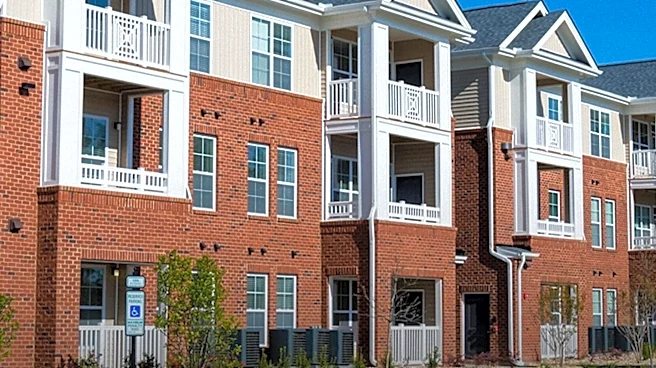
The City of Evansville has announced a significant investment of $1.075 million towards the comprehensive rehabilitation of Grandview Tower, a 47-year-old, 170-unit senior community. This funding aims to preserve and extend the affordability of the housing
while implementing substantial improvements to residents' homes and the property itself. The investment coincides with affordable housing developer The Mainstreet Group, in partnership with Sena Affordable Communities, assuming ownership of Grandview Tower. The project is financed through a combination of public and private resources, including 4 percent Low-Income Housing Tax Credits and tax-exempt bonds. To support this development, the City of Evansville has entered into a 30-year PILOT (Payment In Lieu Of Taxes) agreement with the developer, which provides for fixed, reduced payments instead of standard property taxes. This PILOT agreement has a net present value of approximately $1.5 million, based on an 8 percent discount rate. The rehabilitation efforts are part of a broader initiative to address the need for more affordable housing in the city, as stated by Mayor Stephanie Terry.
Why It's Important?
This investment is crucial for the Evansville community as it directly addresses the pressing need for affordable senior housing. By rehabilitating Grandview Tower and extending its affordability, the city is ensuring that a vulnerable segment of its population has access to safe, quality, and affordable homes. The project's financing structure, involving both public and private resources and a long-term PILOT agreement, demonstrates a collaborative approach to tackling housing challenges. This model could serve as a precedent for other cities facing similar issues, highlighting how strategic partnerships and financial incentives can be leveraged to maintain and improve existing affordable housing stock. The commitment to upgrading apartment interiors and community amenities will enhance the quality of life for current and future residents, promoting well-being and community engagement. Furthermore, the inclusion of ADA and UFAS upgrades will improve accessibility, ensuring that the facility meets modern standards for all residents.
What's Next?
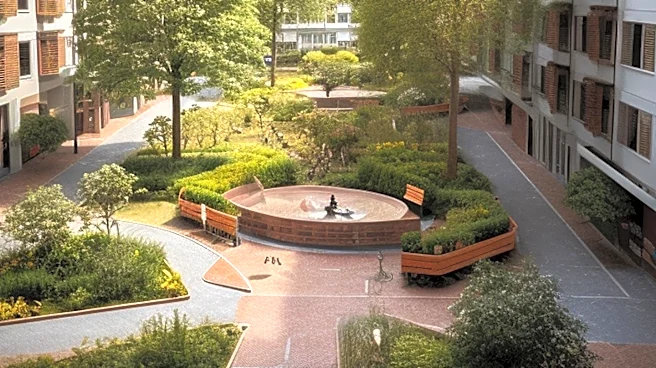
The rehabilitation of Grandview Tower will commence with vacant units, which will be completed first and then utilized to temporarily relocate residents while their own units undergo renovation. This phased approach aims to minimize disruption for current residents. The project will involve substantial upgrades to apartment interiors, including modernized kitchens with new stainless-steel, ENERGY STAR appliances, updated bathrooms, new luxury vinyl plank flooring, fresh paint, new doors, upgraded lighting and fixtures, new HVAC systems and thermostats, and plumbing improvements. Beyond individual units, major building and site improvements are planned, such as all-new energy-efficient windows, façade enhancements, sidewalk and walkway repairs, asphalt repairs, new site lighting, upgraded security cameras, improved landscaping, a community garden, new signage, and a new trash compactor and dumpster enclosure gate. Additionally, newly created and refreshed community amenities, including a gym, computer room, service coordinator office, and community kitchen, will be developed. A local artist will also contribute a mural, further integrating Grandview Tower into the surrounding Evansville community.
Beyond the Headlines
The rehabilitation of Grandview Tower extends beyond mere structural improvements; it represents a commitment to fostering a vibrant and inclusive community for seniors. The integration of a mural by a local artist is a subtle yet significant detail, aiming to connect the residents more deeply with their neighborhood and enhance the aesthetic appeal of their living environment. This project also highlights the evolving role of public-private partnerships in addressing complex urban challenges like affordable housing. The 30-year PILOT agreement signifies a long-term commitment from the city, providing stability and predictability for the developers while ensuring continued affordability for residents. This approach can help mitigate the risks associated with large-scale housing projects and encourage private investment in areas that might otherwise be overlooked. The focus on energy-efficient upgrades and improved accessibility also reflects a broader societal shift towards sustainable and inclusive urban development, ensuring that infrastructure investments are future-proofed and benefit all members of the community.