




What's Happening?
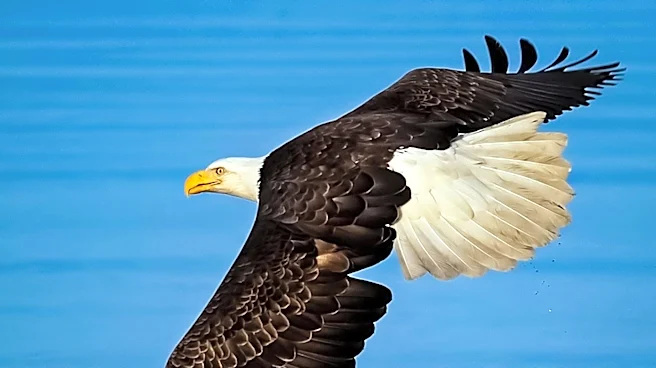
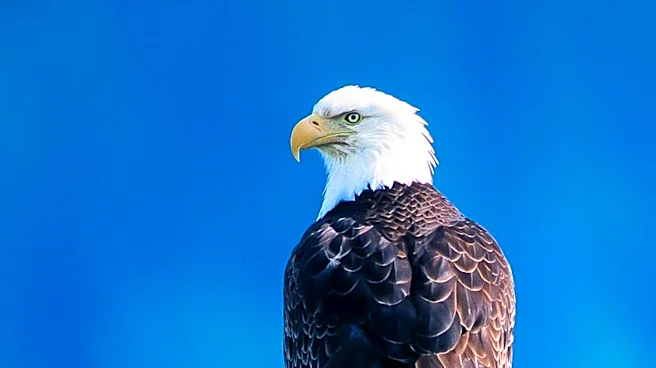
Athens, Tennessee Mayor Larry Eaton is actively challenging a federal order from the U.S. Fish and Wildlife Service (USFWS) to euthanize a rescued bald eagle named Phoenix. Phoenix sustained a fractured radius and ulna in her left wing and underwent surgery
and rehabilitation. While her veterinarian, T.A. Haig, determined she cannot return to the wild due to a drooping wing, Haig also stated Phoenix has adapted well to captivity and is a good candidate for permanent placement. The Owl Ridge Raptor Center, where Phoenix is being cared for, has secured a permanent home for her. Despite this, a USFWS migratory bird permits specialist initially maintained the decision to euthanize Phoenix within seven days, citing that she was not a good candidate for captivity. Mayor Eaton, who assisted in the eagle's rescue, urged federal officials to reconsider, emphasizing the need to protect the national emblem. Following Eaton's intervention, the USFWS has indicated they are no longer recommending euthanasia and will explore other options for the eagle's care.
Why It's Important?
This situation highlights a conflict between local efforts to protect wildlife and federal regulatory decisions, particularly concerning endangered or protected species like the bald eagle, the national emblem of the United States. The case of Phoenix brings to light the differing interpretations of animal welfare and rehabilitation outcomes between local veterinarians and federal agencies. The USFWS's initial stance to euthanize an eagle deemed suitable for captivity by a veterinarian raises questions about the criteria and flexibility of federal wildlife management policies. Mayor Eaton's successful intervention demonstrates the potential impact of local advocacy on federal decisions and could set a precedent for similar cases where rescued wildlife, though unable to return to the wild, can thrive in captivity. This outcome is significant for wildlife rehabilitation centers and advocates who often face stringent federal regulations regarding the long-term care of non-releasable animals.
What's Next?
The U.S. Fish and Wildlife Service has stated they are no longer recommending euthanasia for Phoenix and will actively explore other options for her continued care with Mayor Eaton and the Owl Ridge Raptor Center. Mayor Eaton has also requested complete documentation from the federal government explaining how they reached their initial decision, particularly since no USDA veterinarian reportedly examined the eagle personally. This suggests a potential review of the decision-making process within the USFWS regarding such cases. The next steps will likely involve discussions between the USFWS, Mayor Eaton, and the Owl Ridge Raptor Center to finalize a permanent placement solution for Phoenix. This could lead to a re-evaluation of federal guidelines for non-releasable rehabilitated wildlife, potentially allowing more animals to find permanent homes in captivity rather than facing euthanasia.
Beyond the Headlines
The case of Phoenix extends beyond a single bird's fate, touching upon broader ethical and policy considerations in wildlife conservation. It underscores the tension between the ideal of returning wild animals to their natural habitat and the reality of permanent injuries that preclude such a return. The debate over euthanasia versus long-term captive care for non-releasable wildlife raises questions about the value placed on individual animal lives versus population-level conservation goals. Furthermore, the incident highlights the bureaucratic complexities and potential inflexibility within federal agencies, even when local experts and officials present viable alternatives. This situation could prompt a re-examination of the USFWS's protocols for evaluating the suitability of injured wildlife for captive placement, potentially leading to more nuanced and compassionate approaches that balance scientific principles with ethical considerations for animal welfare. It also emphasizes the role of public and political pressure in influencing federal decisions.