



What's Happening?
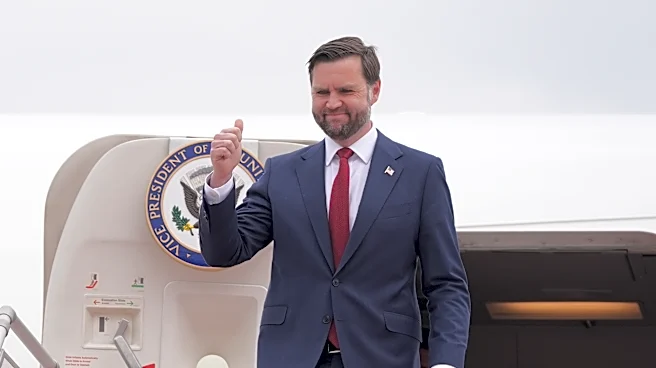
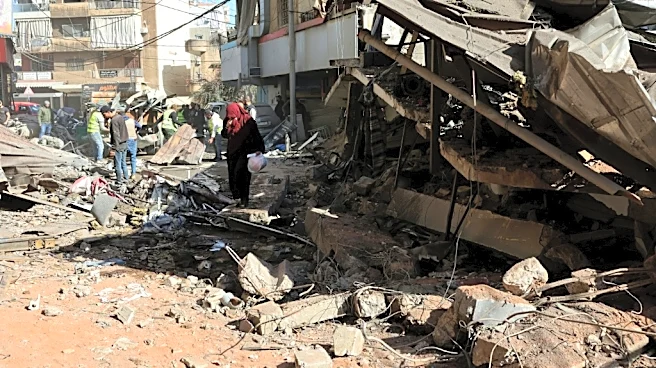
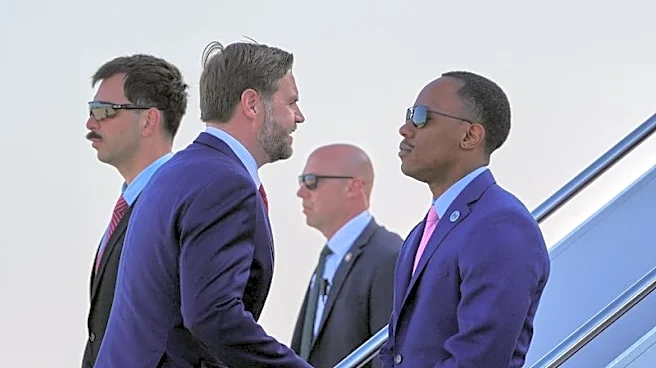
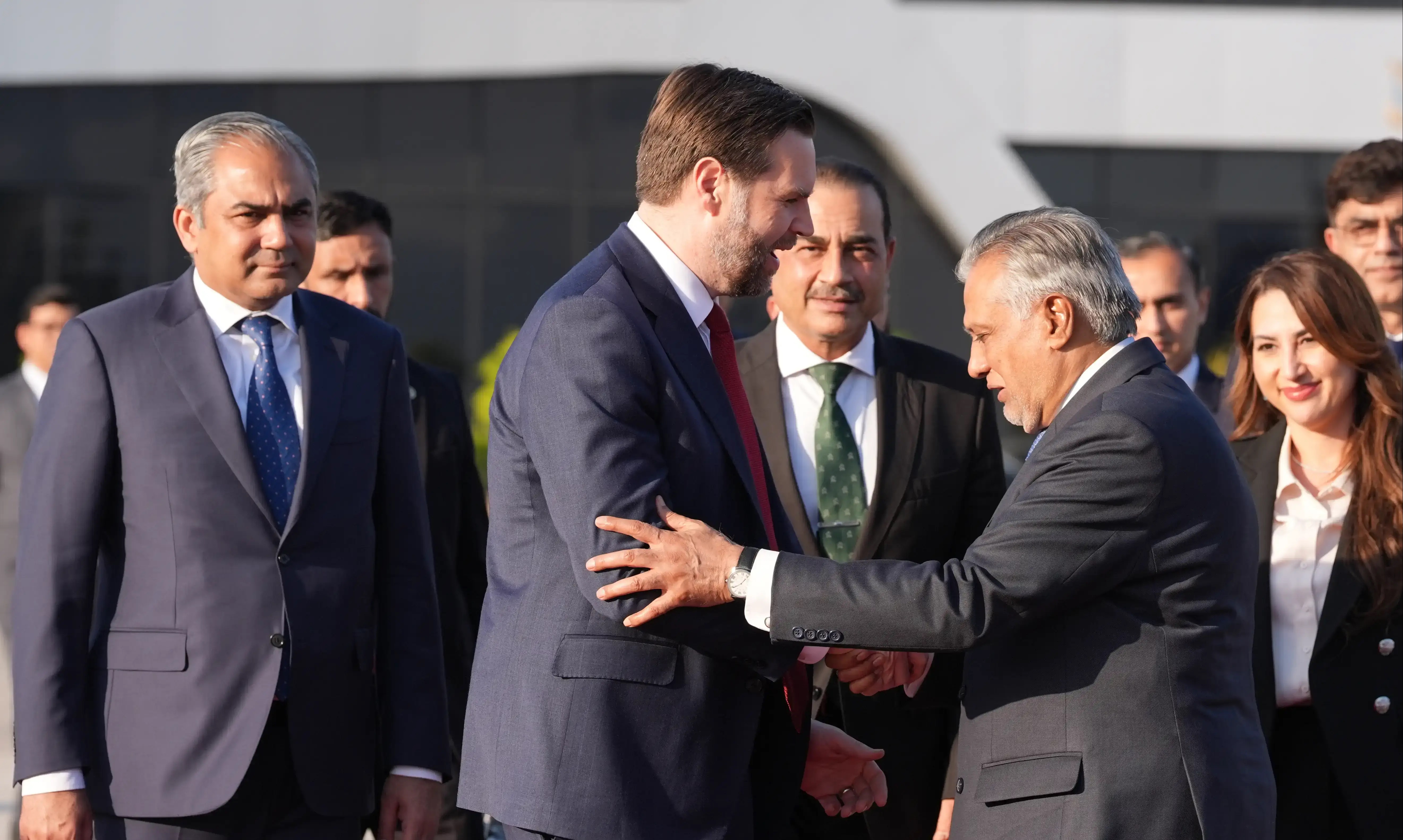
Negotiations between the United States and Iran ended without a deal after 21 hours of talks in Islamabad. Vice President JD Vance stated that Iran refused to accept U.S. terms to not develop a nuclear weapon. The talks were aimed at advancing a ceasefire
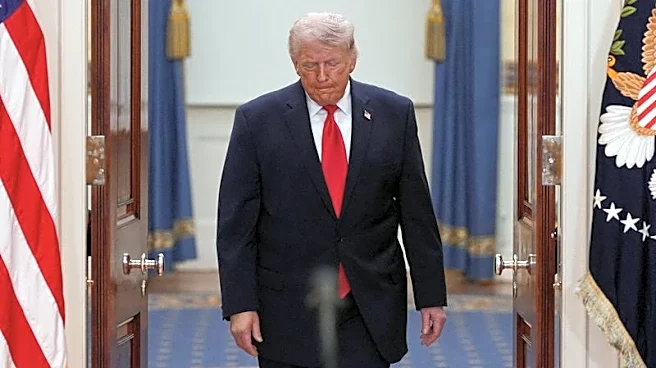
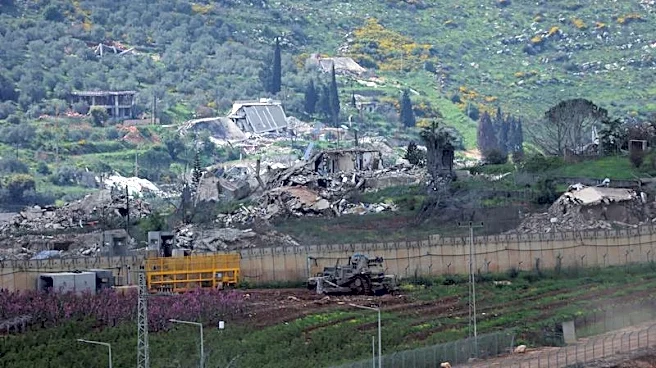
threatened by disagreements and ongoing Israeli attacks against Hezbollah in Lebanon. President Trump announced a blockade of the Strait of Hormuz, a critical waterway for global oil supplies, to exert strategic control and counter Iran's economic leverage. The European Union urged continued diplomatic efforts despite the failure of the talks.
Why It's Important?
The collapse of the U.S.-Iran talks and the announcement of a blockade on the Strait of Hormuz have significant implications for global energy markets and regional stability. The strait is vital for the transportation of oil, and its closure could lead to increased energy prices and economic disruptions worldwide. The failure to reach an agreement also raises the risk of further military escalation, which could impact international relations and security. The situation highlights the challenges in negotiating nuclear disarmament and the complexities of geopolitical diplomacy.
What's Next?
Following the breakdown of talks, the U.S. Navy is set to begin a blockade of the Strait of Hormuz, potentially involving other nations. The European Union and other international actors may seek to mediate further negotiations to prevent escalation. Iran's willingness to continue dialogue suggests potential for future talks, but mutual distrust remains a significant barrier. The situation may lead to increased military presence in the region and further economic sanctions against Iran.
Beyond the Headlines
The announcement of a blockade raises ethical and legal questions about the use of military force and economic sanctions as tools of diplomacy. The situation also highlights deeper issues in U.S.-Iran relations, including historical grievances and differing perspectives on nuclear rights. Long-term shifts in regional alliances and power dynamics may result from continued conflict, affecting global geopolitical landscapes.