


What's Happening?
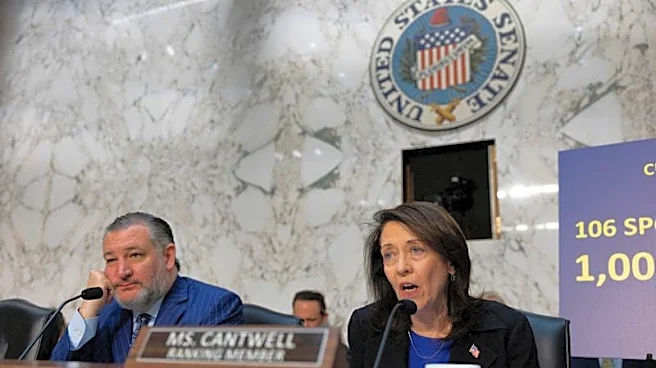
The Senate Committee on Energy and Natural Resources (ENR) recently held a hearing to consider 24 bills, including four sponsored or co-sponsored by U.S. Senator Lisa Murkowski (R-AK). These legislative measures aim to enhance Alaska's energy security
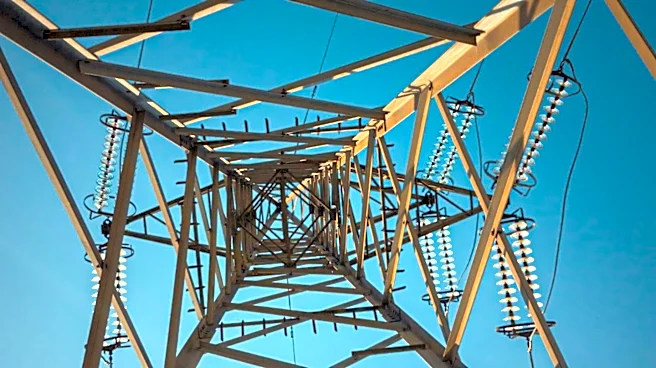
by addressing various aspects of energy development and grid resilience. Specifically, the bills seek to reduce costs and regulatory hurdles for hydropower and geothermal projects, improve the stability of the electric grid, and expand efforts to map critical mineral and other natural resources. The next procedural step for these bills is for the ENR Committee to report them to the full Senate for further consideration at a future business meeting. One of the key bills, S. 4870, proposes to reauthorize the Earth Mapping Resources Initiative (Earth MRI) for five years, expanding its scope to include natural hydrogen. Another bill, S. 456, the Streamlining Thermal Energy through Advanced Mechanisms Act (STEAM), aims to expedite geothermal exploration and development in areas that have already undergone environmental review. The Hydropower Licensing Affordability Act (S. 5048) seeks to reform the Federal Power Act to reduce delays and costs associated with hydropower licensing, particularly by limiting mandatory conditions to those that directly mitigate adverse effects. Lastly, the Securing Community Upgrades for a Resilient Grid Act (SECURE Grid Act), S. 4166, would require states to include additional grid threats, such as extreme weather and cyber threats, in their State Energy Security Plans.
Why It's Important?
These legislative efforts are crucial for Alaska's energy future and could have broader implications for U.S. energy policy. By focusing on hydropower and geothermal development, the bills aim to diversify Alaska's energy portfolio, reducing reliance on traditional fossil fuels and promoting renewable energy sources. This aligns with national goals for clean energy transition and energy independence. The proposed reforms to hydropower licensing could serve as a model for other states facing similar regulatory challenges, potentially accelerating renewable energy projects nationwide. Furthermore, strengthening electric grid resilience, as proposed by the SECURE Grid Act, is vital for national security and economic stability, protecting against disruptions from extreme weather events, cyberattacks, and other vulnerabilities. The reauthorization and expansion of the Earth MRI program are significant for identifying and mapping critical minerals, which are essential for various high-tech industries and national defense. This initiative could reduce U.S. dependence on foreign sources for these vital resources, bolstering domestic supply chains and economic competitiveness. The inclusion of natural hydrogen in Earth MRI's scope also highlights a forward-looking approach to emerging energy resources, potentially positioning the U.S. at the forefront of new energy technologies.
What's Next?
The immediate next step for these bills is for the Senate Committee on Energy and Natural Resources to report them to the full Senate. Once reported, they will be eligible for consideration and a vote by the entire Senate. If passed by the Senate, the bills would then move to the House of Representatives for their consideration. The legislative process could involve further committee hearings, amendments, and negotiations between the two chambers. Stakeholders, including environmental groups, energy companies, and state governments, will likely continue to monitor and engage with the legislative process, advocating for their interests. The reauthorization of Earth MRI is particularly time-sensitive, as its current authorization is set to expire at the end of fiscal year 2026, necessitating timely action to ensure the continuity of its critical resource mapping efforts. The implementation of the SECURE Grid Act, if passed, would require states to update their State Energy Security Plans, leading to a more comprehensive assessment of grid vulnerabilities and potentially new infrastructure investments. The impact of the Hydropower Licensing Affordability Act and the STEAM Act would be seen in the streamlining of project approvals and potentially a faster deployment of renewable energy projects in Alaska and possibly other regions.
Beyond the Headlines
Beyond the immediate legislative impact, these bills reflect a broader strategic shift towards enhancing domestic energy security and resource independence in the U.S. The emphasis on reducing regulatory barriers for renewable energy projects, such as hydropower and geothermal, signals a recognition of the need to balance environmental protection with economic development and energy needs. The focus on critical mineral mapping through Earth MRI underscores the growing geopolitical importance of these resources, particularly in the context of global competition for advanced technologies. The potential for natural hydrogen to become a significant energy resource also points to the long-term vision embedded in these legislative efforts, anticipating future energy landscapes. Furthermore, the SECURE Grid Act highlights the evolving nature of threats to national infrastructure, moving beyond traditional concerns to include cyber and climate-related vulnerabilities. This holistic approach to energy security, encompassing resource development, regulatory reform, and infrastructure resilience, could set precedents for future federal and state policies, influencing investment patterns, technological innovation, and environmental stewardship across the nation.