

What's Happening?
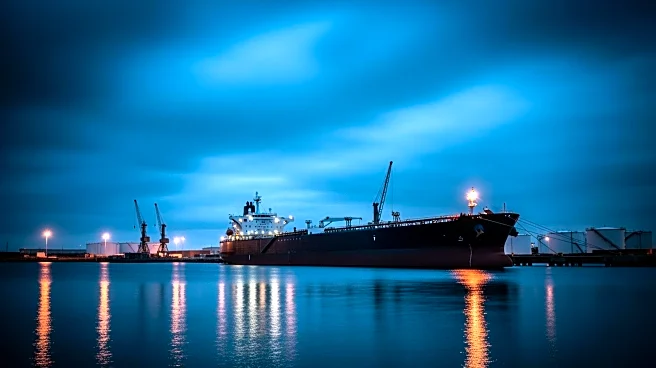
The Cuban government announced the release of 2,010 prisoners, a decision coinciding with increased pressure from the Trump administration, which has imposed a stringent oil blockade on the island. The Cuban authorities described the pardons as a 'humanitarian
gesture' linked to Holy Week, without acknowledging the U.S. pressure. The prisoners include both foreigners and Cubans, comprising women, the elderly, and young people. Details regarding the timing, conditions of release, or the specific crimes committed by the prisoners were not disclosed. The Cuban government maintains that it does not hold political prisoners, although activist groups have reported over 1,200 individuals imprisoned for political reasons. The release follows a pattern of Cuba freeing prisoners at significant moments, such as during talks with the Vatican or in response to international diplomatic developments.
Why It's Important?
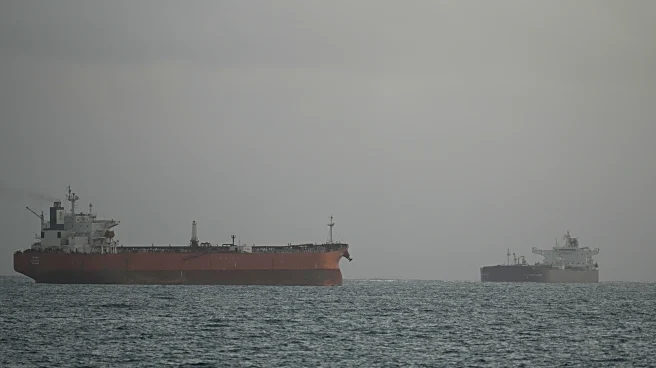
This prisoner release is significant as it occurs amidst heightened tensions between Cuba and the United States, particularly due to the oil blockade imposed by the Trump administration. The blockade has led to widespread blackouts and economic strain on the island, affecting the daily lives of Cuban citizens. The release may be seen as a strategic move by Cuba to alleviate some of the international pressure and improve its humanitarian image. It also highlights the ongoing geopolitical dynamics in the region, where U.S. policies continue to influence the internal decisions of neighboring countries. The move could potentially impact U.S.-Cuba relations, as well as Cuba's interactions with other international entities, such as the Vatican.
What's Next?
The release of prisoners may lead to further diplomatic discussions between Cuba and the United States, especially if the U.S. perceives this as a positive step towards improving human rights on the island. However, the lack of transparency regarding the conditions and criteria for release might continue to fuel criticism from international human rights organizations. The Cuban government may also face internal challenges in reintegrating the released individuals into society, particularly if they were imprisoned for political reasons. Future interactions between Cuba and the U.S. could be influenced by how both countries address these humanitarian and political issues.
Beyond the Headlines
The decision to release prisoners during Holy Week suggests a possible attempt by the Cuban government to align its actions with religious and cultural sentiments, potentially to garner domestic and international support. This move also raises questions about the ethical implications of using prisoner releases as a tool for political maneuvering. The ongoing oil blockade and its impact on Cuba's economy and infrastructure highlight the broader consequences of international sanctions and their role in shaping domestic policies. The situation underscores the complex interplay between humanitarian gestures and geopolitical strategies in international relations.