






What's Happening?
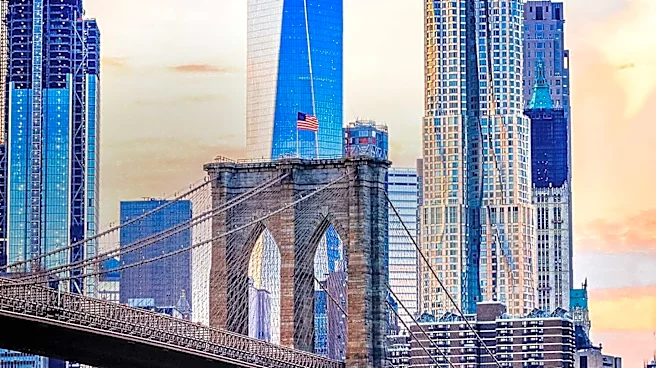
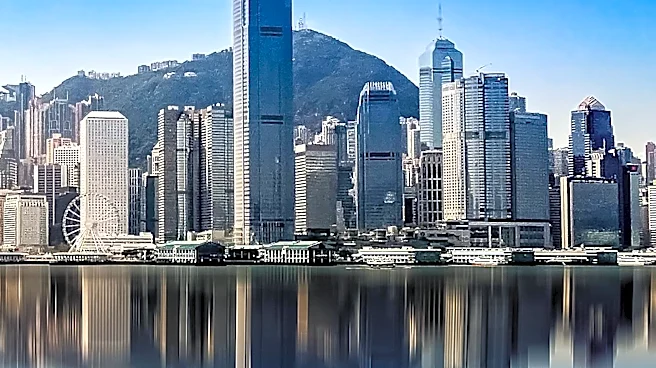
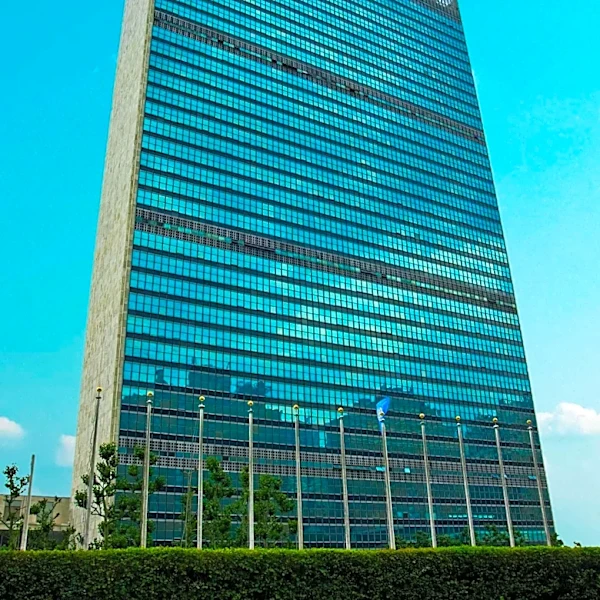
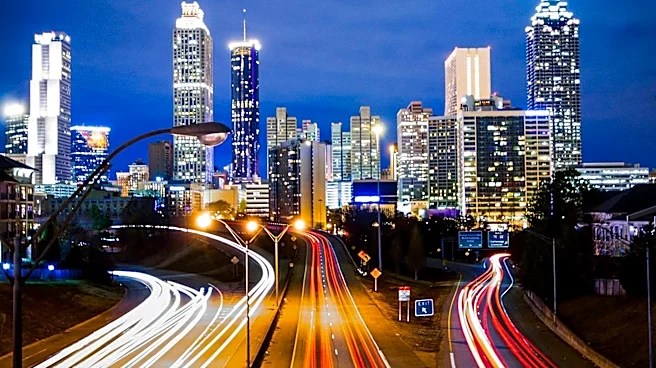
Hong Kong has emerged as the city with the most skyscrapers globally, surpassing New York City with 569 buildings over 150 meters tall. This vertical expansion is driven by limited land availability and economic growth, forcing the city to build upwards.
The skyscraper boom began in the 1970s and has continued to flourish, making Hong Kong one of the most vertically dense urban environments. The city's role as an international market hub has further accelerated this growth, with significant developments in office, residential, and retail spaces.
Why It's Important?
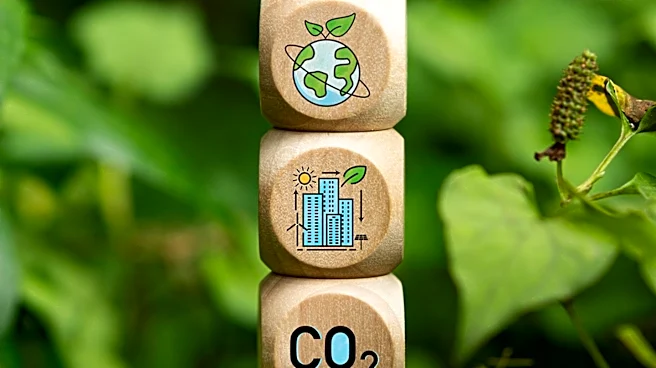
Hong Kong's approach to urban development highlights the challenges and opportunities of vertical city planning. As cities worldwide face land constraints, Hong Kong's model offers insights into maximizing urban space. However, this growth comes with environmental challenges, as buildings and construction contribute significantly to global carbon emissions. The need to balance density with sustainability is crucial, as the global building stock is expected to double by 2050, increasing the carbon footprint of new constructions.
What's Next?
The success of Hong Kong's vertical growth model depends on adapting design to local conditions, considering factors like climate and cultural habits. Other cities may look to Hong Kong for inspiration, but must tailor their approaches to their unique environments. The ongoing challenge will be to reduce emissions while continuing to meet the demands of urban expansion.
Beyond the Headlines
The environmental impact of skyscraper development is a critical concern, with 'upfront carbon' emissions from material extraction and construction posing significant challenges. As cities pursue taller structures, the focus must shift towards sustainable building practices and reducing embodied carbon within structural systems.