
What's Happening?
U.S. Representative Earl L. “Buddy” Carter (R-GA) released a statement on Veterans Day, expressing profound gratitude to all men and women who have served in the U.S. Armed Forces. In his statement, issued
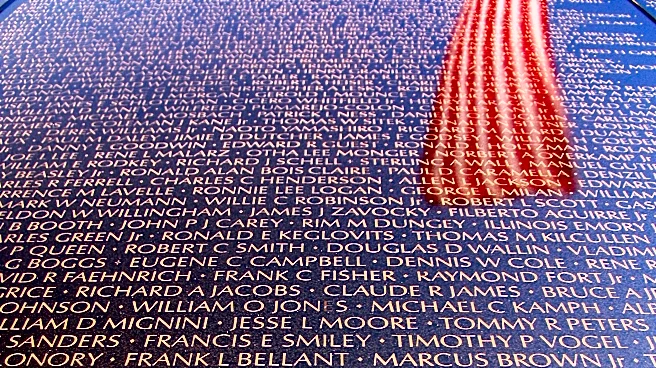
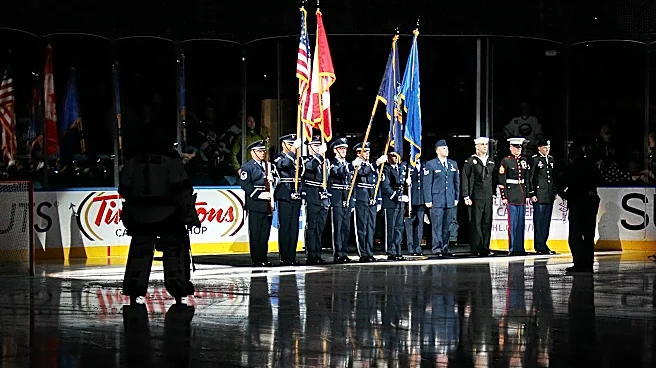
from Savannah, Georgia, Representative Carter highlighted the courage and sacrifice of veterans and their families as the foundation of the nation's freedoms. He underscored that representing Georgia's First Congressional District, a region with a rich history of military families, has been a significant honor in his life. Carter emphasized the ongoing duty to honor veterans' service and support them daily, acknowledging their immense contributions to protecting the country. This statement reaffirms the importance of recognizing and appreciating the military community's role in national security and societal well-being.
Why It's Important?
This statement from Representative Carter is important as it reflects a bipartisan commitment to honoring military veterans, a demographic that holds significant cultural and political weight in the United States. Public acknowledgments like this reinforce national unity and respect for those who have served, potentially influencing public policy discussions related to veteran benefits, healthcare, and support services. For Georgia's First Congressional District, which has a strong military presence, such a statement from their representative resonates deeply with constituents, affirming their values and concerns. It also serves as a reminder to the broader American public about the sacrifices made to preserve national freedoms, fostering a sense of collective responsibility towards the veteran community. This emphasis can also encourage civic engagement and support for military families and veteran organizations.
What's Next?
While Representative Carter's statement is primarily commemorative, it sets a tone for continued legislative and community efforts to support veterans. In the immediate future, this could translate into increased local and federal initiatives aimed at improving veteran welfare, such as enhanced access to healthcare, employment opportunities, and mental health services. The ongoing dialogue around veterans' issues, particularly in districts with significant military populations like Georgia's First, will likely see continued advocacy from elected officials. Such public declarations often precede or accompany legislative actions designed to address the needs of veterans, ensuring that their sacrifices are not only remembered but also met with tangible support and resources. The focus on military families also suggests potential future policies aimed at supporting the broader ecosystem surrounding service members.
Beyond the Headlines
Beyond the immediate recognition, Representative Carter's statement touches upon deeper societal implications regarding national identity and civic duty. The emphasis on the freedoms enjoyed due to veterans' sacrifices reinforces a core American value system. This narrative can influence educational curricula, public discourse, and community projects that aim to instill patriotism and respect for military service. Ethically, it underscores the moral obligation of a nation to care for those who have defended it, prompting ongoing reflection on whether current support systems adequately meet the needs of veterans and their families. Culturally, such tributes help to maintain a strong connection between civilian life and military service, ensuring that the contributions of veterans remain a central part of the national consciousness and collective memory.