








What's Happening?
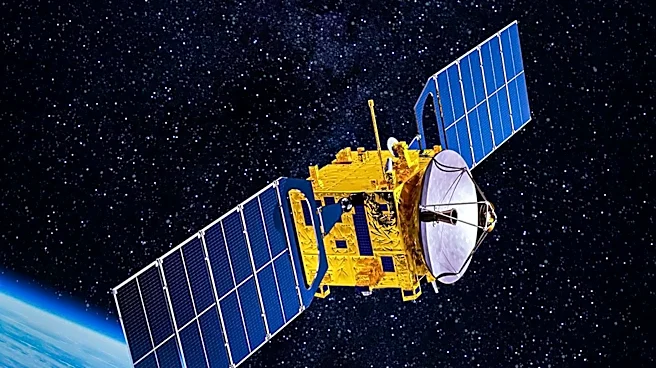
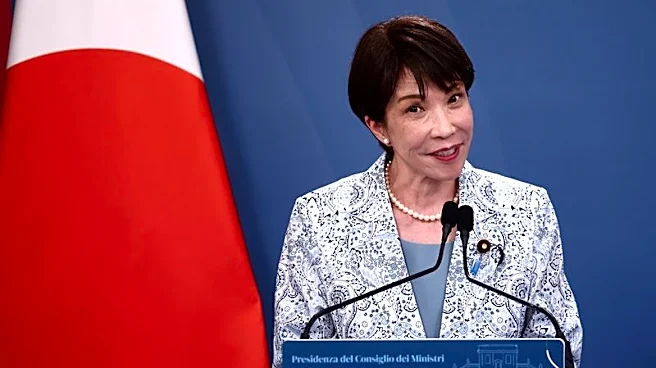
The Japanese government has committed 150 billion yen (approximately $922 million) to a joint venture between Rakuten Mobile and AST SpaceMobile. This investment is part of the Japan Low Earth Orbit Satellite Communications Project (J-LEO), aimed at enhancing
domestic satellite communications capabilities and reducing reliance on Starlink. The funds were secured by Japan's Ministry of Internal Affairs and Communications, with the investment set to be distributed over the next three years. Japan is already a leader in direct-to-device satellite markets, with major operators like KDDI, NTT Docomo, and Softbank utilizing Starlink services. However, concerns about over-reliance on Starlink have been raised in the region, prompting this strategic move.
Why It's Important?
This investment is significant as it represents Japan's strategic effort to bolster its own satellite communications infrastructure, thereby reducing dependency on foreign entities like Starlink. The move is also a response to regional concerns about sovereignty and regulatory control over satellite services. By investing in homegrown technology, Japan aims to secure its communications infrastructure and maintain regulatory influence. This could potentially lead to increased competition in the satellite communications market, impacting companies like Starlink and encouraging other nations to consider similar strategies.
What's Next?
The investment will be rolled out over the next three years, during which Rakuten Mobile and AST SpaceMobile will work on developing and deploying the necessary satellite technology. This initiative may prompt other countries in the region to reassess their reliance on foreign satellite services and consider investing in domestic alternatives. Additionally, the development of second-generation Starlink technology, which offers enhanced connectivity, could influence future regulatory and strategic decisions in the satellite communications sector.