


What's Happening?
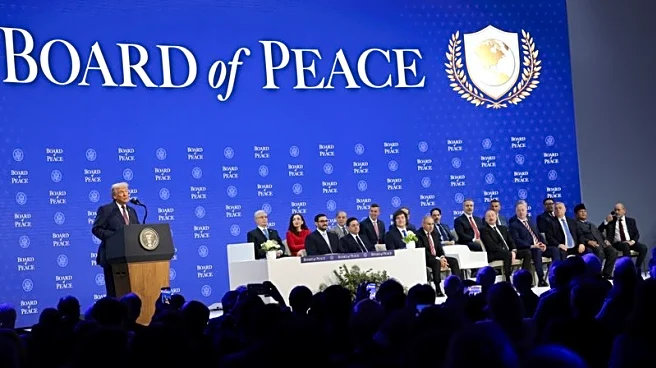
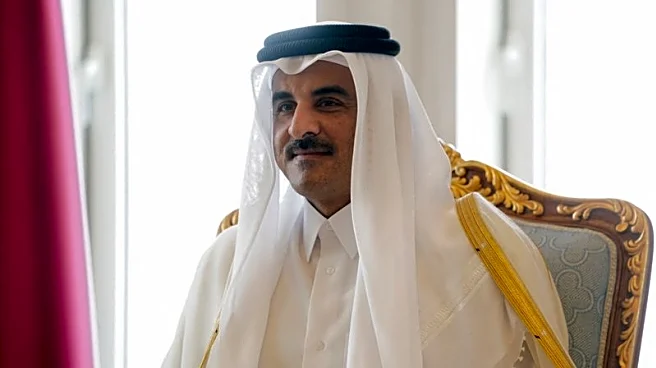
Israeli Prime Minister Benjamin Netanyahu has publicly criticized President Trump over the staffing decisions for the Gaza Board of Peace. Netanyahu claims he was not consulted about the inclusion of Turkish and Qatari officials in the advisory roles
for the Gaza cease-fire's next steps. This move is seen as contrary to Israeli policy, according to Netanyahu. However, a source suggests that Netanyahu was indeed consulted and aware of the selections, indicating that the public rebuke may be more for show than a genuine diplomatic rift. The inclusion of these officials is part of the White House's broader strategy to manage Gaza's reconstruction and peace efforts.
Why It's Important?
This development highlights the complexities of international diplomacy and the delicate balance of power in the Middle East. Netanyahu's criticism underscores the tension between Israel and the U.S. regarding the management of Gaza's future. The involvement of Turkish and Qatari officials could alter the dynamics of the peace process, potentially affecting Israel's security interests. The situation also reflects the broader geopolitical challenges faced by the U.S. in mediating peace in the region, as it must navigate the interests of multiple stakeholders while maintaining its alliances.
What's Next?
The public disagreement between Netanyahu and Trump may lead to further diplomatic discussions to address Israel's concerns. The composition of the Gaza Board of Peace and the roles of international actors will likely remain contentious issues. Israel may seek to negotiate changes to the committee's structure or push for assurances regarding its security interests. The outcome of these negotiations will be critical in shaping the future of Gaza's governance and the broader peace process in the region.