






What's Happening?
North Carolina Governor Josh Stein visited Southeast Raleigh to celebrate the completion of one of 25 new affordable rental homes, part of the 'Promise of Home' initiative by the nonprofit Southeast Raleigh Promise. The project aims to address the lack
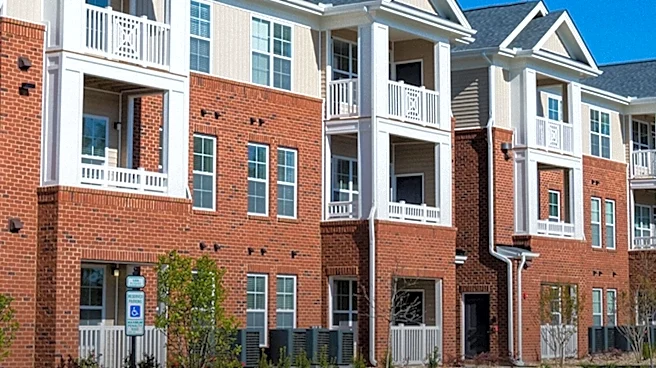
of affordable housing and the threat of gentrification in the area. Yvette Holmes, CEO of Southeast Raleigh Promise, stated that the three-bedroom house is the first of 25 homes to be completed by summer 2027. The homes are being built on nine city-owned lots, with the Raleigh City Council providing $3.3 million in gap financing. These properties are designed to integrate into existing neighborhoods, utilizing smaller parcels of land and, in some cases, adding accessory dwelling units to increase density.
Why It's Important?
This affordable housing project is significant for North Carolina as it serves as a potential model for addressing the state's growing housing crisis. North Carolina is projected to be 750,000 homes short by 2029, with Wake County alone facing a deficit of 110,000 units. The initiative demonstrates how leveraging public land and strategic financing can create tangible housing solutions. By providing homes that rent for $1,650 a month, serving households at 80% of the area median income, the project offers a more affordable alternative compared to market rates. This approach helps combat gentrification and provides stable housing, which Governor Stein emphasized as a foundation for economic opportunity, benefiting lower and middle-income families.
What's Next?
The 'Promise of Home' initiative will continue with the construction of the remaining 22 affordable rental homes, with the entire project expected to be completed by summer 2027. Governor Stein's support and celebration of this project suggest a potential for similar initiatives to be replicated across North Carolina. The governor has already signed legislation, Senate Bill 445, to streamline housing production by cutting red tape and increasing flexibility for homebuilders, including allowing more accessory dwelling units and eliminating mandatory minimum parking spaces. However, the future of state and local funding for such projects could be impacted by proposed constitutional amendments on the November ballot concerning income and property tax limits, which Governor Stein has criticized as potentially hindering the state's ability to fund essential services.
Beyond the Headlines
This project highlights a broader national challenge of housing affordability and the innovative solutions being explored at the local level. The emphasis on 'missing middle housing' and greater density reflects a shift in urban planning to accommodate growing populations while preserving community character. The collaboration between a nonprofit, city government, and state leadership underscores the multi-faceted approach required to tackle complex social issues. The debate over tax amendments in North Carolina also reveals the ongoing tension between fiscal conservatism and the need for public investment in social infrastructure. The success of this model could influence policy discussions on zoning reform, public-private partnerships, and sustainable urban development across the U.S., aiming to create more equitable and resilient communities.