





What's Happening?
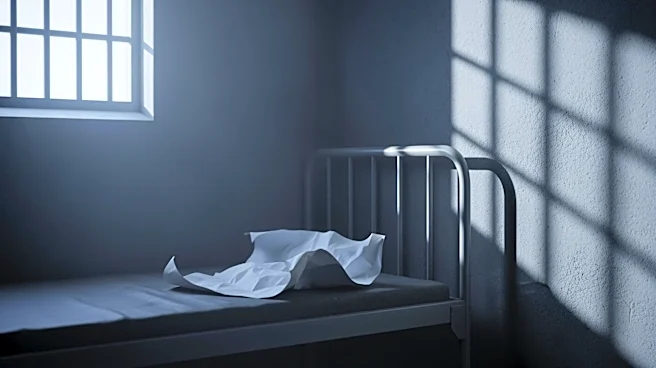
A former cellmate of Jeffrey Epstein, Nicholas Tartaglione, has disclosed to The New York Times the existence of a purported suicide note found in Epstein's cell in July 2019. The note, allegedly discovered inside a book, reportedly contained statements
suggesting Epstein's frustration with investigations into his activities, which he claimed found nothing incriminating. Tartaglione, a former police officer convicted of multiple crimes, including murder, claims the note was sealed as part of his criminal case, potentially preventing investigators from accessing it during their review of Epstein's death. The Department of Justice has not commented on the note's authenticity, and a federal judge has been petitioned to unseal it.
Why It's Important?
The revelation of a possible suicide note could provide new insights into Epstein's state of mind before his death, which has been the subject of widespread speculation and conspiracy theories. Epstein's death in August 2019, while awaiting trial on federal sex trafficking charges, has led to numerous investigations and public scrutiny. The note's contents, if authenticated, might influence ongoing discussions about the circumstances surrounding his death and the adequacy of the investigations conducted by authorities. This development could impact public trust in the justice system and the handling of high-profile cases.
What's Next?
The petition to unseal the alleged suicide note could lead to further legal proceedings, potentially involving Tartaglione's attorneys and federal authorities. If the note is unsealed and authenticated, it may prompt renewed investigations into Epstein's death and the conditions of his detention. The outcome could also affect Tartaglione's ongoing appeal against his convictions, as the note might be used to support claims of his innocence regarding any alleged altercations with Epstein.