




What's Happening?
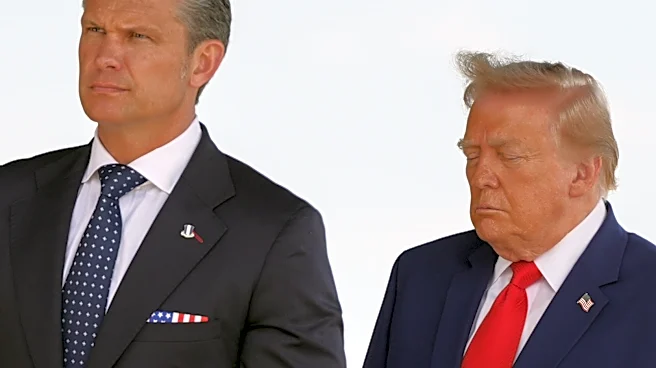
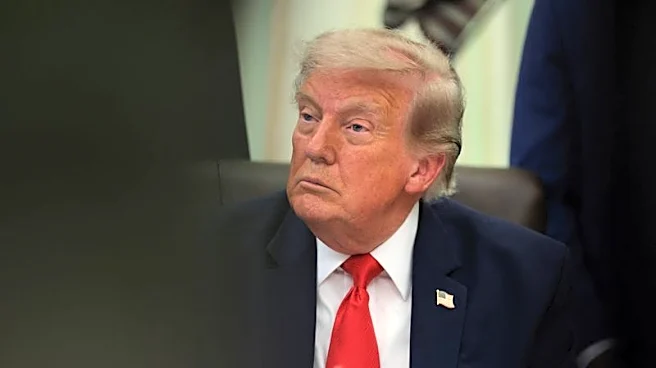
President Donald J. Trump is reportedly frustrated with the ongoing conflict with Iran, as his advisors struggle to agree on a strategic approach. According to NBC News, Trump expressed his exasperation during a recent meeting with his national security
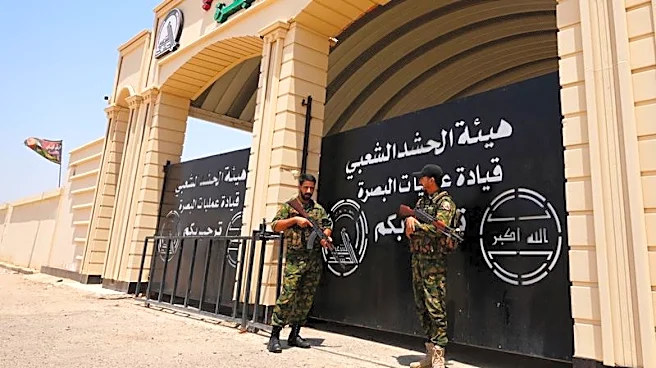
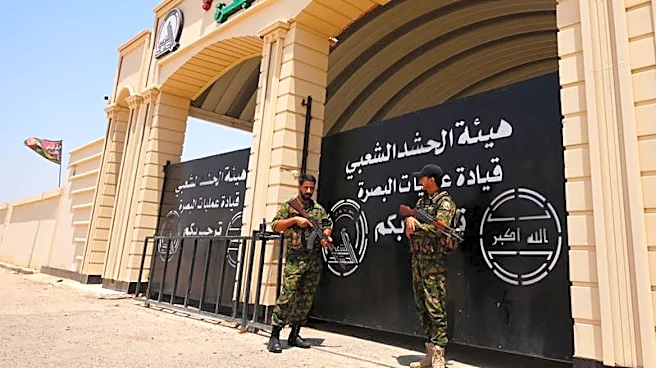
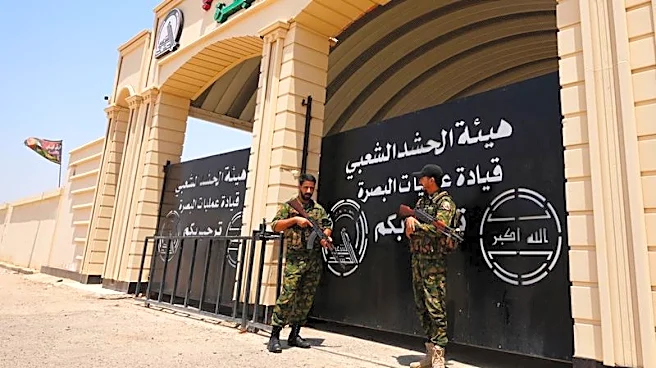
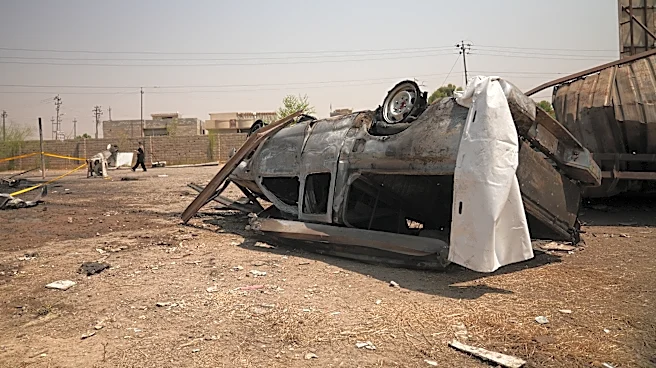
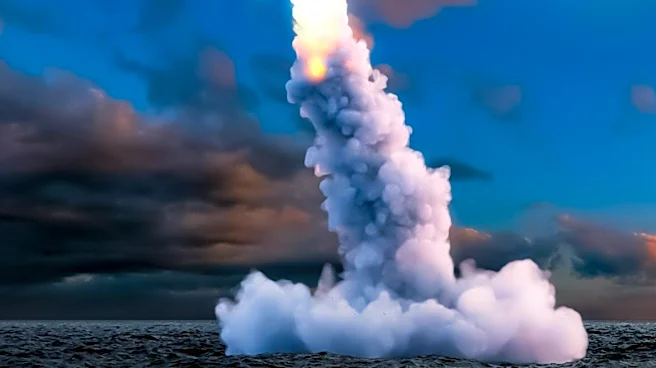
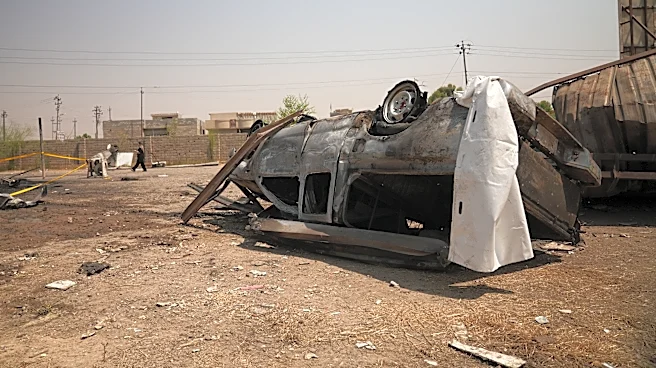
team, where he reportedly used expletives to convey his dissatisfaction. The conflict, which has extended longer than anticipated, saw a recent escalation with a drone attack on a U.S.-owned gas storage tanker in Egypt and Iranian strikes on American installations in Jordan. In response, U.S. and Saudi forces launched attacks on Iranian-backed militias in Iraq. At a Cabinet meeting at Camp David, Trump announced plans for heavy military strikes against Iran to pressure them into negotiations. Despite these actions, there appears to be a lack of a coherent long-term strategy, with Trump and Defense Secretary Pete Hegseth focusing on an ideology that prioritizes military might over diplomatic solutions.
Why It's Important?
The prolonged conflict with Iran has significant implications for U.S. foreign policy and military strategy. The lack of a clear strategy could lead to further instability in the Middle East, affecting global oil markets and international relations. The U.S. military's focus on aggressive tactics over diplomatic engagement may strain alliances and provoke further retaliatory actions from Iran and its allies. Domestically, the administration's approach could face criticism for its potential to escalate into a broader conflict, impacting public opinion and political dynamics. The situation also raises concerns about the effectiveness of the U.S. military's current leadership and strategic planning, as well as the potential for international legal challenges related to military actions.
What's Next?
The U.S. administration is likely to continue its military pressure on Iran, with potential for further escalation if diplomatic solutions are not pursued. The international community may respond with calls for restraint and renewed negotiations to prevent a wider conflict. Domestically, political leaders and civil society groups may increase scrutiny of the administration's military strategy and its implications for U.S. foreign policy. The situation could also influence upcoming elections, as voters assess the administration's handling of international conflicts and its impact on national security.
Beyond the Headlines
The conflict with Iran highlights deeper issues within the U.S. military and foreign policy establishment, particularly the tension between military aggression and diplomatic engagement. The administration's focus on a 'warrior ethos' and rebranding of the Defense Department as the 'Department of War' reflects a shift away from traditional diplomatic strategies. This approach may have long-term implications for U.S. global leadership and its ability to build and maintain international coalitions. Additionally, the administration's stance on international legal institutions, such as the International Criminal Court, suggests a broader challenge to multilateral governance and accountability mechanisms.