








What's Happening?
Amazon has issued recalls for two separate product lines due to potential salmonella contamination. The recalls involve cafe-style drink mixes by SKS Copack and Mogo Moringa dietary supplements. The U.S. Food and Drug Administration (FDA) announced these
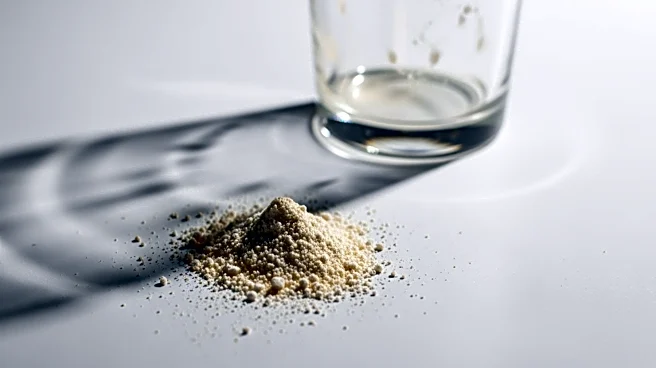
recalls after concerns over salmonella contamination were raised. The affected drink mixes, distributed across 25 states, include various powdered products such as matcha green tea and milk tea mixes. The contamination was traced back to a nonfat dry milk ingredient. Meanwhile, Mogo Moringa has recalled specific lots of its Moringa Oleifera Capsules sold online, including through Amazon. Although third-party tests did not detect salmonella, the recall was initiated as a precaution. Consumers are advised to check product lot numbers and expiration dates and to stop using any affected products immediately.
Why It's Important?
The recalls highlight significant public health concerns, particularly for vulnerable groups such as young children, older adults, and individuals with weakened immune systems. Salmonella can cause severe illness, and in rare cases, lead to serious complications. The widespread distribution of these products across multiple states underscores the potential scale of impact. The situation also emphasizes the importance of stringent quality control measures in food production and the role of regulatory bodies like the FDA in safeguarding public health. Businesses involved in the distribution of these products may face reputational damage and financial losses due to the recalls.
What's Next?
Consumers are urged to return affected products for refunds and to seek medical attention if they experience symptoms of salmonella infection. The FDA and the companies involved will likely continue to monitor the situation closely to prevent further incidents. This recall may prompt other companies to review their supply chains and quality control processes to avoid similar issues. Additionally, there may be increased scrutiny on Amazon's role in the distribution of potentially contaminated products.