



What's Happening?
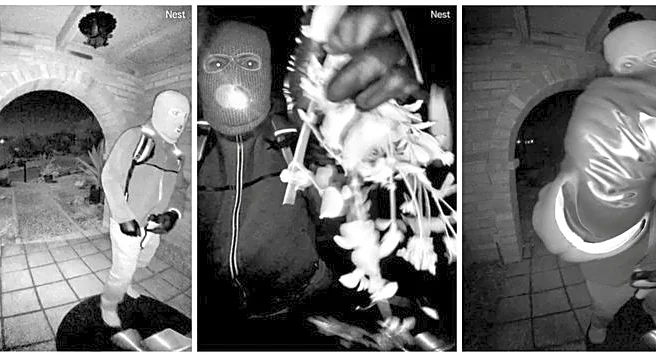
Hundreds of federal and local agents are actively searching for Nancy Guthrie, who disappeared from her affluent neighborhood in Arizona nearly two weeks ago. The case has drawn significant attention due to Guthrie's connection to Savannah Guthrie, a well-known
'Today' show host. Authorities believe Nancy Guthrie was taken against her will, and the investigation has been flooded with resources, including a 24-hour command post and hundreds of detectives and agents. The FBI has not disclosed the exact number of federal agents involved but confirmed that technical experts and intelligence analysts are part of the effort. The case has highlighted disparities in how resources are allocated to missing persons cases, with families of other missing individuals expressing frustration over the lack of attention their cases receive.
Why It's Important?
The intense focus on Nancy Guthrie's case underscores the disparities in resource allocation for missing persons investigations. While high-profile cases like Guthrie's receive extensive media coverage and law enforcement resources, many families of missing individuals struggle to garner similar attention. This disparity is particularly pronounced for cases involving Black and Indigenous people, who are disproportionately represented among missing persons. The situation raises questions about systemic biases in law enforcement and the media, and the need for equitable treatment of all missing persons cases. The Guthrie case also highlights the challenges faced by families who must advocate for their loved ones, often without sufficient support from authorities.
What's Next?
The ongoing investigation into Nancy Guthrie's disappearance is expected to continue with significant law enforcement involvement. The FBI has offered a $100,000 reward for information leading to her whereabouts or the arrest and conviction of those responsible. As the case progresses, it may prompt discussions about improving resource allocation and support for all missing persons cases, particularly those involving marginalized communities. Advocacy groups may push for policy changes to ensure a more coordinated and effective response to missing persons cases across the country.
Beyond the Headlines
The Guthrie case brings to light the broader issue of how media coverage and public interest can influence law enforcement priorities. High-profile cases often receive more resources, which can inadvertently hinder investigations by diverting attention from other cases. This dynamic raises ethical questions about the role of media in shaping public perception and law enforcement actions. Additionally, the case highlights the need for systemic changes to address the underlying biases that affect how missing persons cases are handled, particularly for minority communities.