





What's Happening?
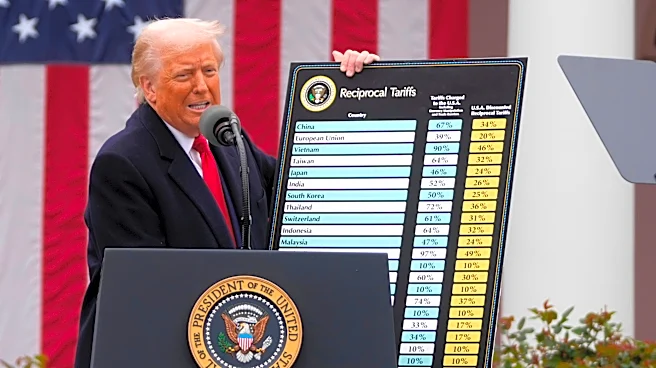
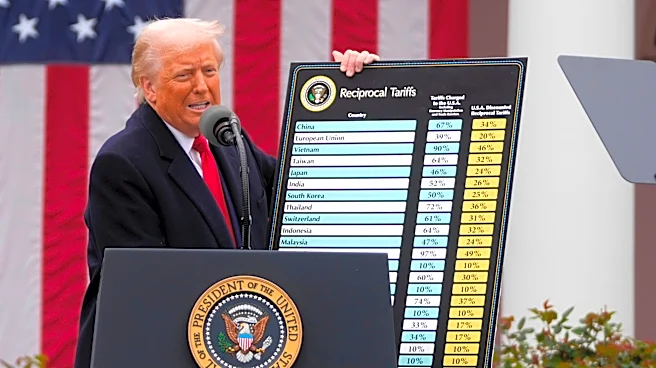
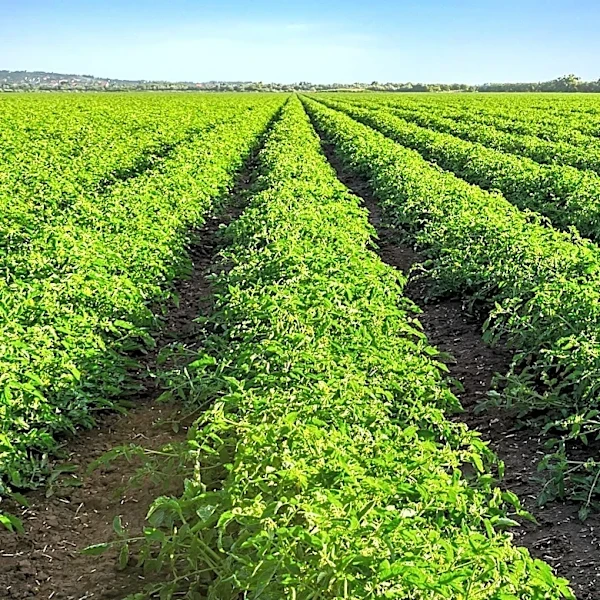
The U.S. has increased tariffs on South African agricultural exports from 10% to 12.5% as part of a broader policy affecting 60 countries. This decision follows previous 'Liberation Day Tariffs' of 30%, which had a significant impact on South African exports.
The U.S. remains a key market for South Africa, accounting for 4% of its agricultural exports, including citrus, berries, and nuts. Despite the tariff increase, the current rate is more favorable compared to the previous 30% tariff.
Why It's Important?
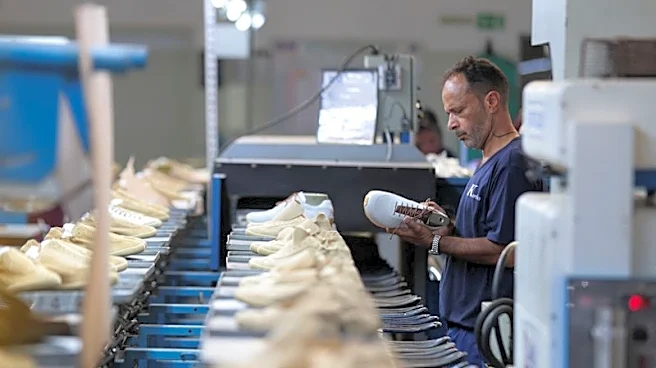
The tariff increase poses challenges for South African exporters, potentially affecting their competitiveness in the U.S. market. However, the reduction from the previous 30% tariff offers some relief. The U.S. is a crucial market for South African agriculture, and maintaining access is vital for the sector's economic health. The tariffs could influence trade dynamics and necessitate strategic adjustments by South African exporters to remain competitive.
What's Next?
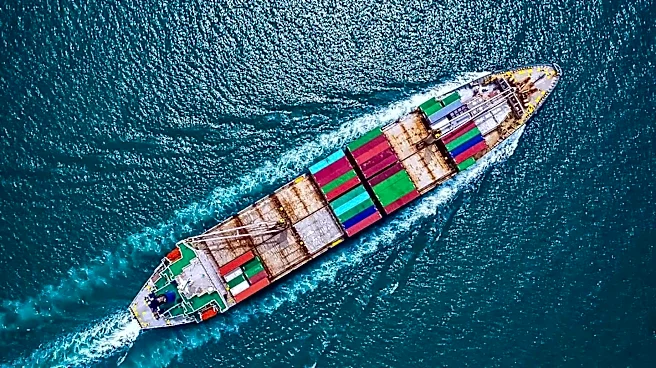
South African exporters may need to explore alternative markets or adjust their strategies to mitigate the impact of the tariffs. The South African government and industry stakeholders are likely to continue engaging with U.S. authorities to address trade concerns. Monitoring the situation and adapting to changes in trade policies will be essential for maintaining export levels and economic stability.