




What's Happening?
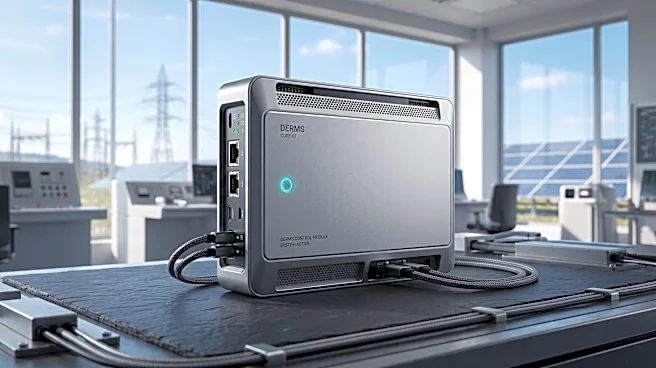
The U.S. is experiencing a steady demand for sheath bonding transformers, primarily driven by the need to modernize its aging electrical grid infrastructure. This trend is part of a broader global movement towards grid upgrades and the integration of renewable
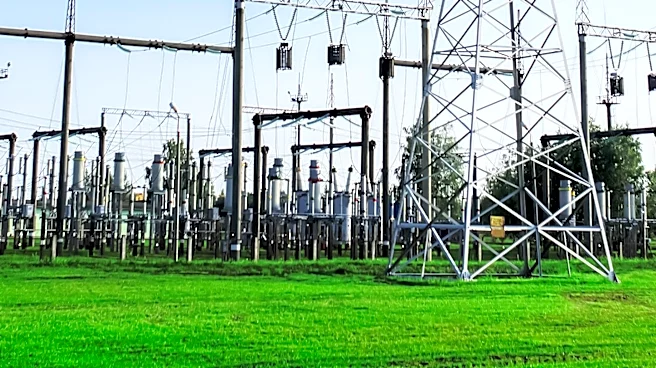
energy sources. Sheath bonding transformers are crucial components in high-voltage cable systems, managing induced voltages and circulating currents to ensure safety, prevent insulation breakdown, and reduce energy losses. While North America's demand is characterized by replacement needs for existing infrastructure, the global market, particularly in Asia-Pacific, is seeing significant growth due to rapid grid modernization and renewable energy expansion. The market for these specialized transformers is also influenced by the expansion of underground and submarine power transmission networks, urbanization, and government initiatives promoting smart grids and energy efficiency. The Electricity Forum highlights that smart grids and intelligent substations are central to grid modernization efforts, generating vast amounts of data from protection relays and monitoring systems.
Why It's Important?
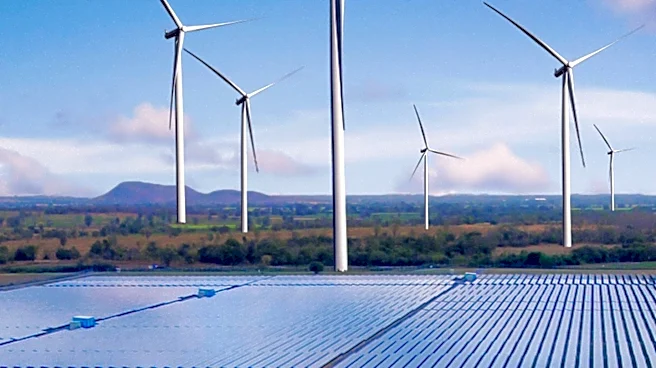
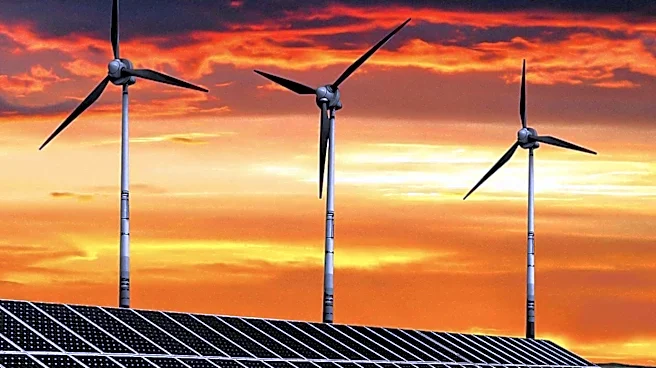
The modernization of the U.S. electrical grid is critical for ensuring reliable power delivery, especially as the nation increasingly integrates renewable energy sources like solar and wind. Aging infrastructure poses significant risks, including increased outages, inefficiencies, and higher operational costs. Investments in technologies like sheath bonding transformers are essential to mitigate these risks, enhance grid resilience, and support the transition to a cleaner energy future. The focus on smart grids and intelligent substations signifies a shift towards more data-driven and automated power management, which can improve fault detection, reduce recovery times during outages, and optimize energy distribution. This modernization effort also has economic implications, creating demand for specialized electrical equipment and skilled labor, while contributing to overall energy security and efficiency across the country.
What's Next?
The U.S. is expected to continue its focus on replacing and upgrading existing electrical infrastructure, which will sustain the demand for sheath bonding transformers and related grid modernization technologies. The market is projected to see steady growth, with technological advancements focusing on higher efficiency, reduced losses, and improved monitoring capabilities for these transformers. Utilities and industrial sectors will remain key end-users, driven by the need for reliable power distribution and the integration of more complex energy systems. Future developments will likely include increased adoption of dry-type and resin-cast transformers due to their lower maintenance and environmental benefits, as well as the growing traction of solid-state converters in advanced applications. Continued government initiatives and investments in smart grid technologies will further shape the trajectory of grid modernization efforts in the U.S.
Beyond the Headlines
Beyond the immediate technical upgrades, the ongoing grid modernization in the U.S. reflects a broader societal shift towards sustainability and resilience. The integration of renewable energy sources, while crucial for climate goals, introduces new complexities to grid management, necessitating advanced solutions like sheath bonding transformers. This evolution also highlights the interconnectedness of infrastructure, technology, and environmental policy. The move towards intelligent substations and smart grids signifies a fundamental change in how electricity is managed and delivered, moving from a centralized, reactive system to a more distributed, proactive, and data-driven network. This transformation has long-term implications for energy independence, economic competitiveness, and the ability to withstand environmental challenges, making the electrical grid a critical component of national security and public welfare.