










What's Happening?
Binzhou City in Shandong Province, China, has been selected as one of the pilot cities for a new technological transformation in the manufacturing sector. This selection, announced by the Ministry of Industry and Information Technology and the Ministry of Finance,
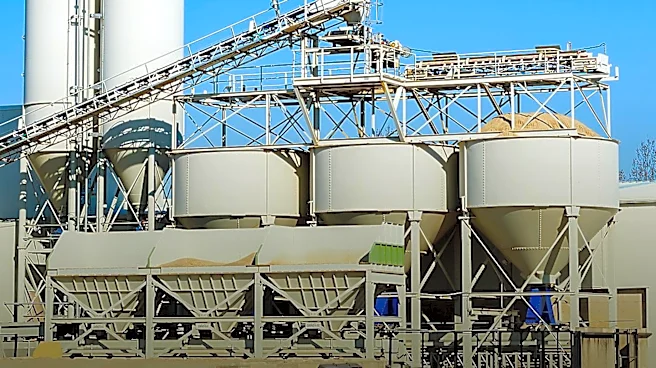
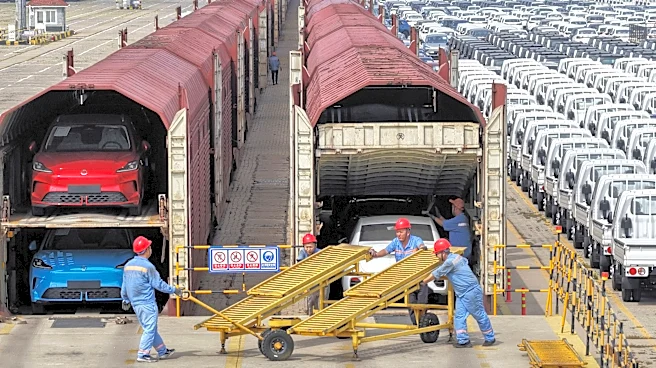
makes Binzhou eligible for up to 300 million yuan in national fiscal incentives. The city is a significant industrial hub, boasting 37 out of China's 41 industrial categories and forming six trillion-yuan-level industrial clusters. These include high-end aluminum, fine chemicals, and smart textiles. Binzhou has been recognized as one of China's Top 100 Advanced Manufacturing Cities for four consecutive years. The city's industrial enterprises achieved operating revenue exceeding RMB 1.06 trillion in 2025, marking a significant contribution to the local economy.
Why It's Important?
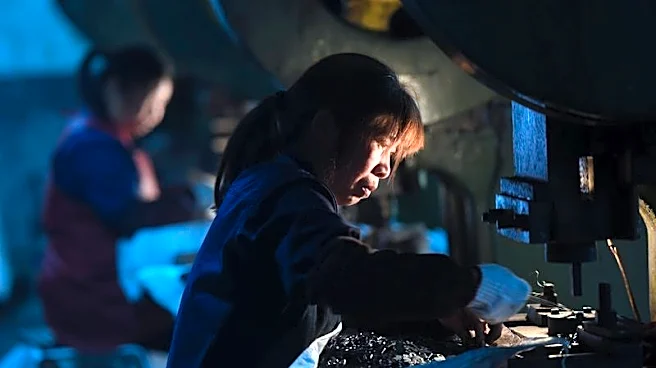
The selection of Binzhou as a pilot city for technological transformation underscores China's commitment to advancing its manufacturing capabilities. This move is expected to enhance the city's industrial output and competitiveness on a global scale. The fiscal incentives will likely accelerate the adoption of intelligent manufacturing technologies, fostering innovation and efficiency. This development is crucial for maintaining China's position as a global manufacturing leader and could serve as a model for other cities aiming to modernize their industrial sectors. The focus on high-end industries and smart manufacturing aligns with global trends towards more sustainable and technologically advanced production methods.
What's Next?
As Binzhou embarks on this transformation, the city is expected to see increased investment in research and development, particularly in areas like lightweight aluminum, intelligent textiles, and functional nutritional products. The city's focus on extending technological upgrades from individual enterprises to entire industrial chains will likely lead to the establishment of more smart factories and green manufacturing facilities. This initiative may also attract international partnerships and collaborations, further integrating Binzhou into the global manufacturing network. The success of this transformation could influence policy decisions in other regions, promoting a broader shift towards intelligent manufacturing across China.