




What's Happening?
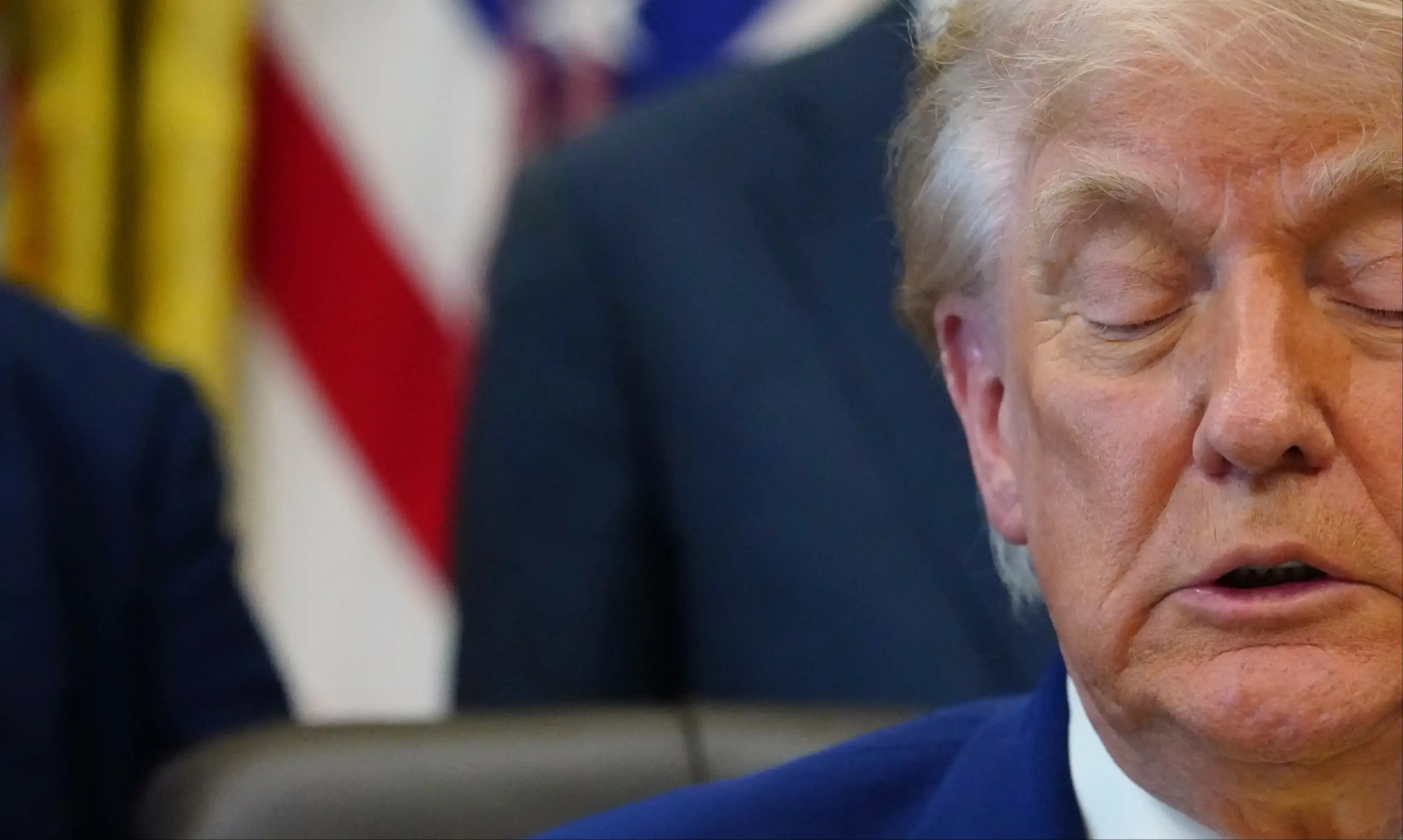
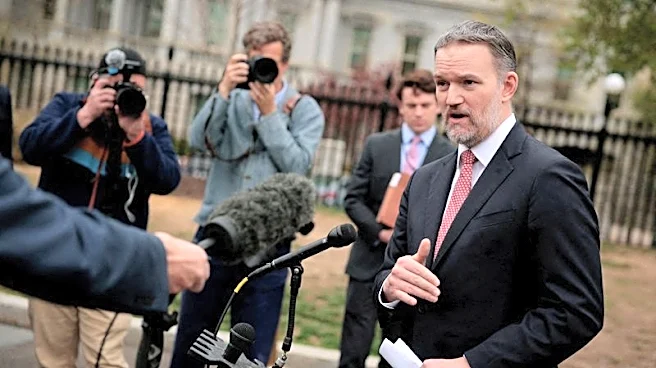
President Donald Trump hosted a roundtable in Chippewa Falls, Wisconsin, focusing on the achievements of his administration in supporting American agriculture. During the event, Trump emphasized the significant job growth, rising wages, and policy successes
for farmers and rural communities. He contrasted these achievements with the previous administration, criticizing them for imposing restrictions and causing inflation that negatively impacted farmers. Trump claimed that average farm incomes have increased by over 20% since he returned to office. Agriculture Secretary Rollins highlighted the administration's success in reducing a $50 billion agricultural trade deficit by securing 19 new trade deals. Trump also noted substantial increases in dairy exports to regions such as Japan, the Middle East, and the European Union. The event featured remarks from various officials and local figures, including Olympic gold medalist Jordan Stolz, who presented a medal to Trump.
Why It's Important?
The roundtable underscores the Trump administration's focus on revitalizing rural America, particularly in key Midwest states. By highlighting economic gains and policy changes, the administration aims to solidify support among farmers, manufacturers, and energy producers. The reported increase in farm incomes and successful trade negotiations could bolster the economic stability of rural communities, potentially leading to increased political support for Trump. The administration's emphasis on tax policy benefits and trade successes is designed to appeal to the agricultural sector, which is a crucial component of the U.S. economy. The event also serves as a platform for Trump to reinforce his administration's narrative of economic recovery and growth, contrasting it with the previous administration's policies.
What's Next?
The administration is likely to continue promoting its economic achievements and policy initiatives in rural areas as part of its broader strategy to secure political support. Future steps may include additional trade negotiations and policy measures aimed at further boosting agricultural exports and incomes. The administration may also focus on addressing any remaining challenges faced by the agricultural sector, such as market access and regulatory issues. Political leaders and stakeholders in the agricultural industry will likely monitor these developments closely, as they could have significant implications for the sector's future growth and stability.