
What's Happening?
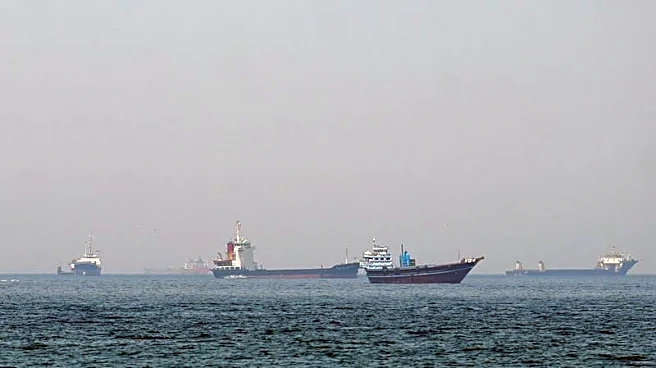
The ongoing conflict between the US and Iran is causing significant disruptions in global supply chains, particularly affecting the Strait of Hormuz, a critical chokepoint for oil transportation. According
to logistics specialist Advanced Supply Chain (ASC), the disruption could lead to higher prices for consumers during the Christmas season. The company warns that transport costs may not return to pre-conflict levels until mid-July, even if peace talks reopen safe passage through the Strait. This timing is critical for retailers who are already placing Christmas orders and facing elevated freight and supply chain costs.
Why It's Important?
The disruption of supply chains due to geopolitical conflicts highlights the vulnerability of global trade networks. The Strait of Hormuz is a vital artery for oil transportation, and its closure has ripple effects across various industries, including retail. Higher transport costs and supply chain delays can lead to increased prices for consumers, affecting purchasing power and economic stability. Retailers are working to mitigate these impacts, but the situation underscores the need for more resilient supply chain strategies.
What's Next?
If the conflict continues, supply chain disruptions may persist, leading to prolonged economic impacts. Retailers and logistics companies will need to explore alternative routes and strategies to ensure the timely delivery of goods. Additionally, the situation may prompt policymakers to consider measures to enhance supply chain resilience and reduce dependency on vulnerable chokepoints. The outcome of peace talks and the reopening of the Strait of Hormuz will be critical in determining the trajectory of these disruptions.
Beyond the Headlines
The conflict and its impact on supply chains raise broader questions about geopolitical stability and its influence on global trade. The reliance on key chokepoints like the Strait of Hormuz highlights the interconnectedness of global economies and the potential for localized conflicts to have far-reaching consequences. This situation may prompt a reevaluation of trade policies and international cooperation to address vulnerabilities in global supply chains.