






What's Happening?
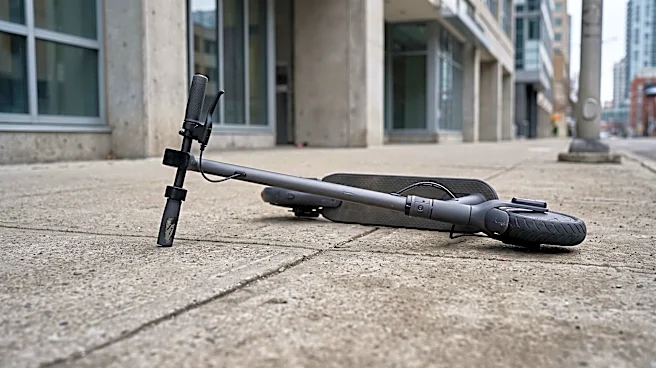
Consumer Reports has announced it is no longer recommending e-scooters, a decision that reflects growing concerns over the safety of these popular personal transportation devices. The organization, known for its rigorous product testing and consumer advocacy,
has not provided specific details regarding the incidents or issues that led to this change in recommendation. This move by Consumer Reports suggests a reevaluation of the risks associated with e-scooter use, potentially stemming from accidents, mechanical failures, or other safety hazards reported by users or identified through their own investigations. The decision impacts the perception and market for e-scooters, which have seen a surge in popularity in urban areas across the United States as a convenient and eco-friendly mode of transport. The lack of specific data in the announcement leaves the public to infer the exact nature of the safety concerns, but the blanket withdrawal of recommendation indicates a significant level of apprehension from the consumer watchdog.
Why It's Important?
This withdrawal of recommendation from Consumer Reports carries significant weight for both consumers and the e-scooter industry in the U.S. For consumers, it serves as a strong cautionary signal, potentially influencing purchasing decisions and increasing awareness of inherent risks. This could lead to a decline in e-scooter sales or a shift in consumer preference towards alternative modes of transportation. For the e-scooter industry, including manufacturers and rental companies, this is a critical blow to their public image and market growth. It may prompt companies to invest more heavily in safety features, conduct more thorough product testing, and potentially lobby for clearer regulatory frameworks to restore consumer confidence. The broader implication is a potential slowdown in the adoption of e-scooters as a mainstream transportation option, affecting urban mobility trends and the push for sustainable transport solutions in American cities. The decision underscores the power of independent consumer organizations in shaping market dynamics and public safety standards.
What's Next?
Following Consumer Reports' decision, e-scooter manufacturers and rental companies are likely to face increased scrutiny and pressure to address safety concerns. This could manifest in several ways: companies might issue public statements detailing their safety protocols, introduce new models with enhanced safety features, or collaborate with regulatory bodies to develop more stringent safety standards. Consumers may also demand more transparency regarding accident data and product reliability. Local governments and urban planners, who have often embraced e-scooters as part of their micro-mobility initiatives, might re-evaluate their partnerships with e-scooter companies or implement stricter operational guidelines. There could also be a push for more comprehensive insurance options for e-scooter users. The long-term impact will depend on how effectively the industry can respond to these safety concerns and rebuild trust with the public, potentially leading to a more regulated and safer e-scooter market in the future.
Beyond the Headlines
The Consumer Reports' decision highlights a broader societal challenge in integrating new technologies, particularly those impacting public spaces and personal safety, without adequate regulatory oversight or established safety standards. E-scooters, while offering convenience and environmental benefits, have often been deployed rapidly in urban environments, sometimes outpacing the development of necessary infrastructure and safety regulations. This situation raises questions about the responsibility of technology companies to ensure product safety before widespread adoption, and the role of government in proactively establishing guidelines for emerging industries. The incident also underscores the ongoing tension between innovation and public safety, and how consumer advocacy groups play a crucial role in bridging this gap. It may also spark a wider debate on urban planning, pedestrian safety, and the future of micro-mobility in American cities, pushing for a more holistic approach to integrating new transportation methods.