





What's Happening?
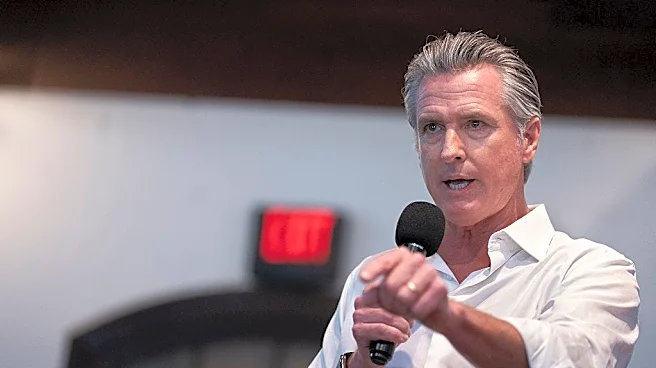
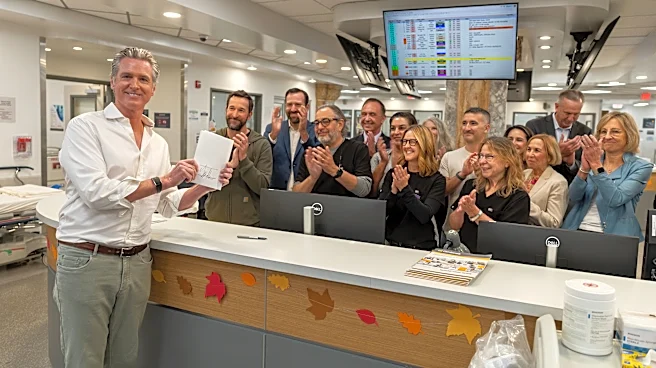
California Governor Gavin Newsom signed six bills on September 20 aimed at accelerating electric vehicle (EV) adoption and the deployment of charging infrastructure across the state. The legislative package addresses various barriers, including permitting
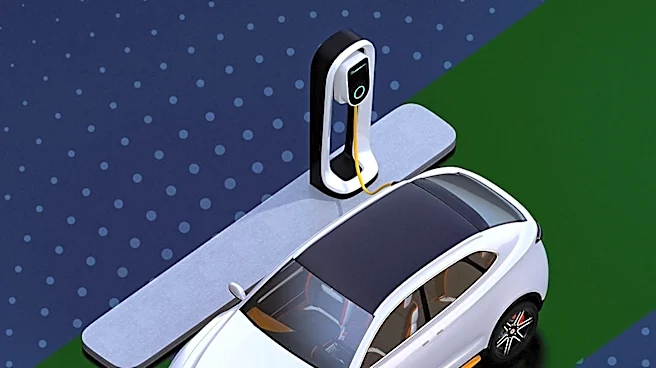
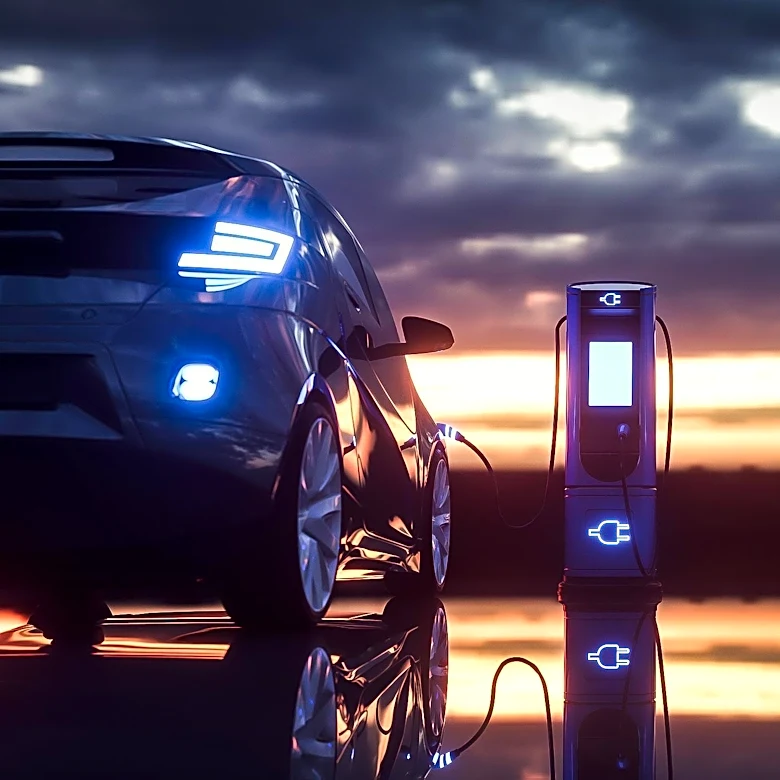
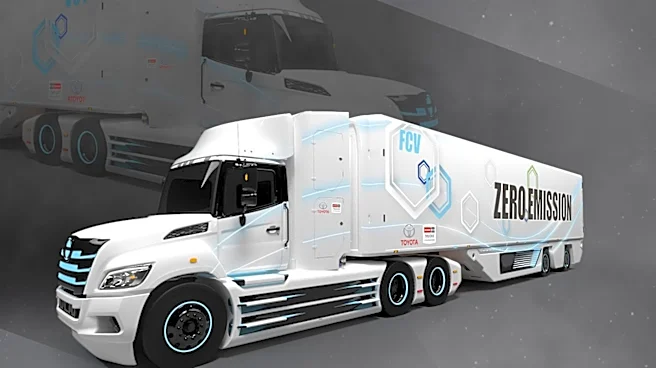
delays for public chargers, access to charging at apartments and mixed-use developments, and consumer transparency regarding zero-emission trucks and EV batteries. These bills, SB 969, SB 1283, AB 1820, SB 1213, SB 1267, and SB 615, build upon California’s existing MyFirstEV rebate program. The state's total zero-emission vehicle sales share reached 19.1% of new vehicles in the second quarter of 2026. The Electric Vehicle Charging Association Chair, Matthew Chen, noted that California needs to build over 400 new chargers daily through 2030 to meet its clean transportation goals. California currently operates more than 216,445 public and shared charging plugs, including over 20,000 DC fast-charging ports.
Why It's Important?
This legislative package is critical for California's ambitious clean transportation goals and has significant implications for the broader U.S. automotive market. By streamlining permitting processes and expanding charging access, California is directly addressing key obstacles to widespread EV adoption. This move not only supports the state's environmental objectives but also stimulates economic activity in the EV sector, including manufacturing, installation, and maintenance of charging infrastructure. Given that roughly a dozen other states follow California's emissions standards, these new laws could indirectly influence EV policies and market trends across a substantial portion of the U.S. The legislation also reinforces California's leadership in environmental policy, particularly amidst an ongoing legal dispute over its authority to set stricter vehicle emissions standards than federal baselines. The success of these bills in closing the '400-charger-a-day gap' will be a crucial indicator of the feasibility of rapid EV transition.
What's Next?
The immediate next steps involve the implementation of these six bills, which will require coordination among state agencies, local governments, utilities, and private charging operators. The effectiveness of the legislation will be measured by how quickly regulatory friction is reduced and how rapidly new charging infrastructure is deployed. The ongoing legal battle regarding California's Clean Air Act Section 209 waiver will continue to be a significant factor, as its resolution will determine the long-term stability of California's independent emissions regulations and their influence on other states. Stakeholders will closely monitor the impact of these bills on EV sales, charging availability, and consumer behavior. The state's continued investment in clean vehicle programs, including the MyFirstEV rebate, will also play a vital role in sustaining the momentum towards a zero-emission transportation future.
Beyond the Headlines
California's aggressive push for EV adoption through these new laws reflects a deeper societal and technological transformation. Beyond environmental benefits, this initiative represents a strategic investment in future economic competitiveness, positioning California as a leader in green technology and innovation. However, the success of this transition is not solely dependent on legislation; it also hinges on overcoming challenges related to grid capacity, energy supply, and the equitable distribution of charging infrastructure, particularly in underserved communities. The emphasis on consumer transparency and access for apartment dwellers highlights a recognition that EV adoption must be inclusive and address the practical needs of all residents. This legislative package is a testament to the complex interplay between policy, technology, and consumer behavior in driving large-scale societal change, and its outcomes will offer valuable lessons for other regions grappling with similar transitions.