

What's Happening?
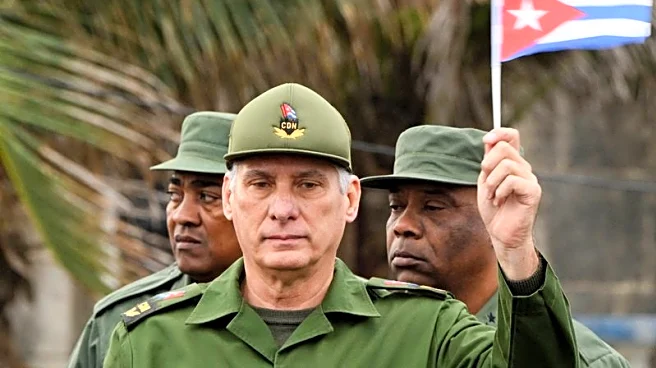
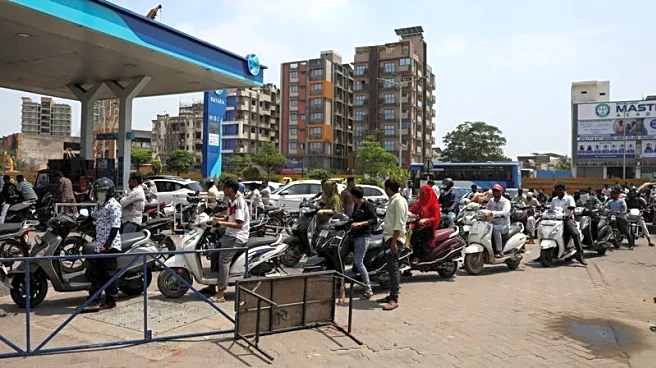
The Trump administration's enforcement of an oil and fuel blockade on Cuba has led to severe energy shortages and widespread blackouts, significantly affecting vulnerable populations, including expectant mothers. The blockade has resulted in shortages of food,
milk, and essential medicines, straining maternal care services and making pregnancies more challenging. The energy crisis has exacerbated the difficulties faced by expectant mothers, who are already dealing with limited resources and healthcare services.
Why It's Important?
The fuel blockade on Cuba highlights the humanitarian impact of economic sanctions, particularly on vulnerable groups such as expectant mothers. The shortages of essential goods and services can lead to adverse health outcomes and increased maternal and infant mortality rates. The situation underscores the ethical considerations of using economic sanctions as a tool of foreign policy, as they can disproportionately affect civilian populations. The crisis may prompt calls for a reevaluation of the sanctions and their humanitarian implications.
What's Next?
Cuba may seek international assistance to alleviate the impact of the fuel blockade and address the shortages of essential goods. Humanitarian organizations could play a role in providing aid and support to affected populations. The U.S. may face pressure from the international community to reconsider the sanctions or provide humanitarian exemptions. The situation will require ongoing attention to ensure that the needs of vulnerable populations are met and that the humanitarian impact is minimized.