
What's Happening?
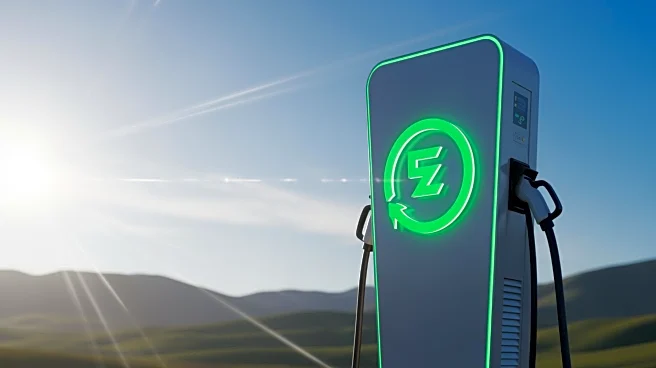
Electric utilities in California are stepping up to offer incentives for electric vehicle (EV) adoption as federal support wanes. Southern California Edison (SCE), in collaboration with San Diego Gas and
Electric and Pacific Gas and Electric, plans to introduce a program providing pre-loaded debit cards to income-qualifying households lacking home EV charging access. These cards will offer $50 weekly, up to $2,600 annually, for public charging. This initiative aligns with SCE's Pre-Owned EV Rebate credit program, targeting low-income households enrolled in public assistance programs. Additionally, Ava Community Energy in Northern California is offering rebates for e-bike purchases, with over 9,400 rebates issued so far. These efforts aim to reduce the financial barriers to EV adoption and address the overall cost of ownership, especially as federal incentives diminish.
Why It's Important?
The shift in focus from federal to state and local initiatives highlights the growing role of regional utilities in promoting clean energy transitions. California, with the largest share of EVs, is attempting to mitigate potential slowdowns in EV adoption due to reduced federal incentives. Governor Gavin Newsom's proposed budget includes $200 million for EV incentives, primarily for light-duty vehicles, though it has faced criticism for not adequately supporting zero-emission trucks and buses. These state-level efforts are crucial in maintaining momentum in the EV market, which is vital for reducing carbon emissions and achieving climate goals. The programs also reflect a broader strategy to make EVs more accessible to low-income households, potentially leading to increased adoption and a more sustainable transportation sector.
What's Next?
As these programs roll out, their success will likely influence future state and local policies on clean transportation. The effectiveness of these incentives in increasing EV adoption could prompt other states to implement similar measures. Additionally, the response from consumers and the impact on EV sales will be closely monitored. The ongoing dialogue between state governments, utility companies, and advocacy groups will shape the evolution of clean transportation policies, potentially leading to more comprehensive and inclusive incentive programs.