
What's Happening?
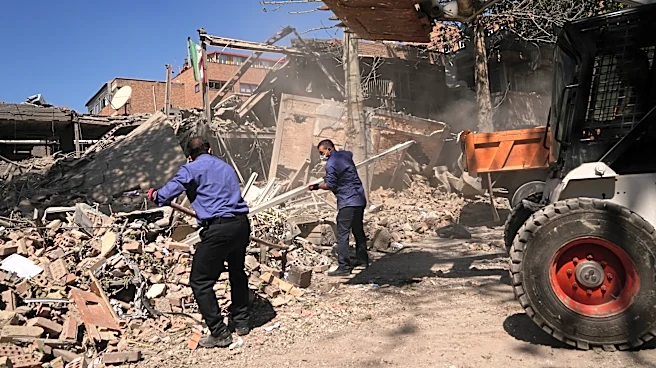
The ongoing conflict between the United States and Iran has led to significant disruptions in energy markets and heightened concerns about the global economy. A fragile ceasefire has been established,
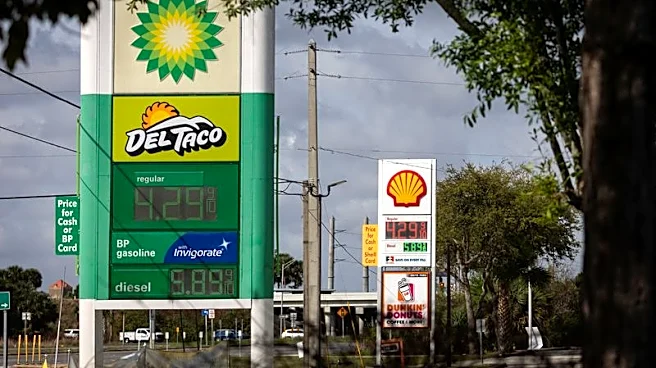
but Americans are grappling with the implications of the war on their daily lives. Interviews conducted across various states reveal a divided opinion on the war's justification and its impact on the economy. While some view the military action as necessary, others criticize it as ego-driven and unnecessary. Rising gasoline prices are a major concern, affecting businesses and individuals alike. The war, launched without congressional approval, remains broadly unpopular, with partisan differences evident in public opinion.
Why It's Important?
The conflict with Iran has significant implications for the U.S. economy, particularly in terms of energy costs. The surge in gasoline prices is straining businesses and consumers, potentially leading to broader economic challenges. The political divide over the war reflects deeper societal fractures, influencing public policy and international relations. The ceasefire offers a temporary reprieve, but the long-term consequences of the conflict could affect U.S. standing globally and impact domestic political dynamics. Stakeholders, including businesses and policymakers, must navigate these challenges as they assess the war's impact on economic stability and national security.
What's Next?
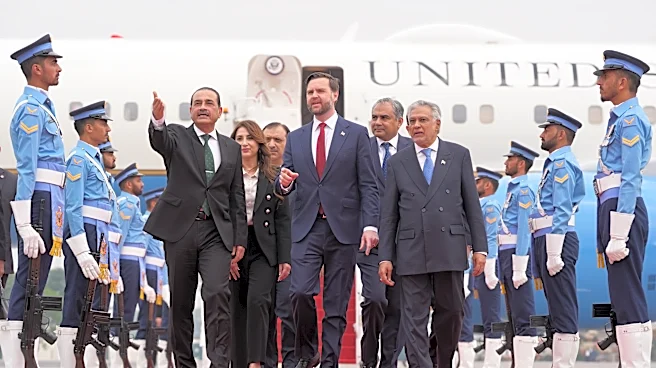
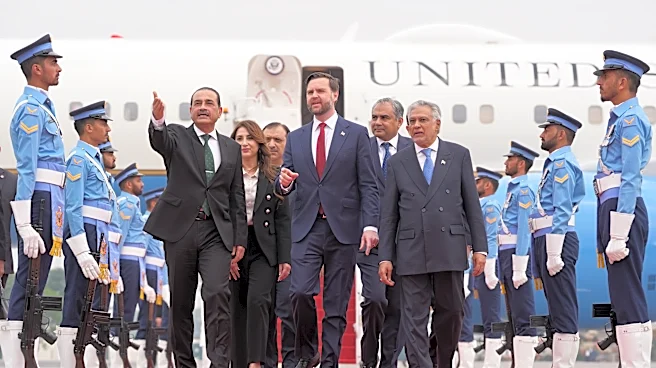
The ceasefire between the U.S. and Iran is a critical juncture, with planned talks in Pakistan offering a potential path to de-escalation. However, the risk of retaliation and prolonged conflict remains a concern. Political leaders and civil society groups may push for diplomatic solutions to prevent further escalation. The economic impact, particularly on energy prices, will continue to be monitored closely, with potential policy adjustments to mitigate adverse effects. The public's response to the war and its economic consequences could influence upcoming elections and shape future foreign policy decisions.
Beyond the Headlines
The ethical and legal dimensions of the war, launched without congressional approval, raise questions about executive power and accountability. The conflict's impact on U.S.-Iran relations and broader Middle Eastern geopolitics could lead to long-term shifts in international alliances and security strategies. The societal divide over the war reflects broader cultural and political tensions, highlighting the need for dialogue and reconciliation. As the situation evolves, the role of media and social platforms in shaping public perception and discourse will be crucial in understanding the war's broader implications.