
What's Happening?
In the aftermath of President Trump's influence on American politics, scandals that once would have ended political careers are now seen as less disqualifying. In Maine, Democratic candidate Graham Platner,
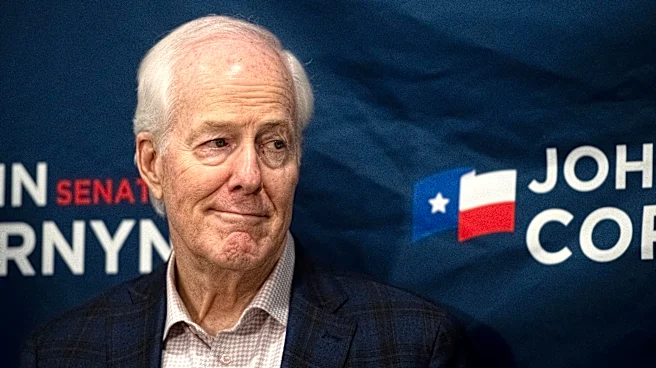
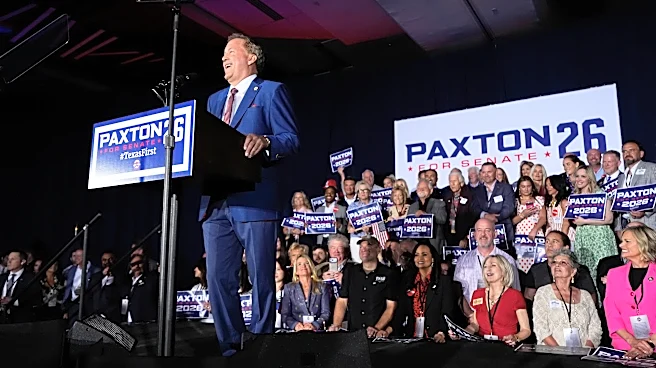
despite controversial past statements and actions, is gaining traction against Republican Sen. Susan Collins. Similarly, in Texas, Republican Ken Paxton, facing multiple legal issues, won a primary runoff against Sen. John Cornyn. These developments suggest a shift in voter attitudes, where scandal is perceived as a sign of authenticity or resilience rather than a liability.
Why It's Important?
This shift in political norms reflects a broader change in how voters perceive character and electability. The acceptance of scandalous behavior as a political asset could lead to a more polarized and contentious political landscape. It challenges traditional values of integrity and accountability in public office, potentially altering the criteria by which candidates are judged. This trend may influence future elections, as candidates with controversial backgrounds may feel emboldened to run for office.
What's Next?
The upcoming elections will test whether this trend is a temporary phenomenon or a lasting change in American politics. Candidates like James Talarico in Texas, who represent a return to traditional values, may offer a counter-narrative to the current trend. The results of these elections could provide insights into whether voters are willing to prioritize character over controversy. Political parties may need to reassess their strategies and candidate selections in response to these evolving voter expectations.