







What's Happening?
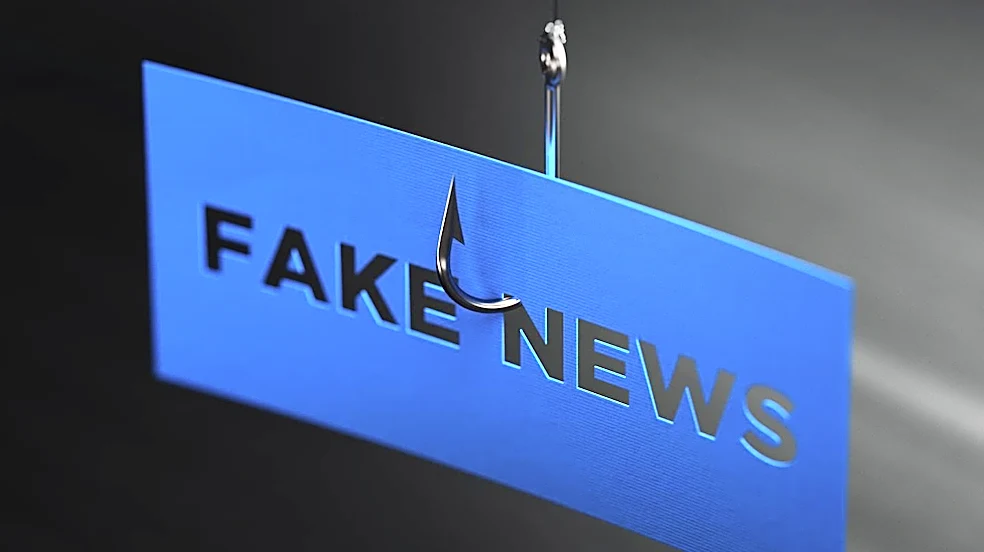
The World Medical Association (WMA) has issued a new Statement on Addressing False Health Information during its 77th General Assembly in Rotterdam. This policy highlights that inaccurate health claims, which are rapidly disseminated through social media
and increasingly generated by artificial intelligence, pose a significant threat to patient safety and public health worldwide. The WMA warns that such misinformation can lead individuals to reject effective treatments, delay or abandon necessary care, or adopt harmful practices. It also has the potential to undermine vaccination efforts and erode public trust in physicians. Dr. Jung Yul Park, WMA President, emphasized that while physicians have an ethical duty to provide accurate, evidence-based health information, their trusted voices are being drowned out by a deluge of false and misleading online content. The statement clarifies that legitimate scientific debate differs from false information, allowing physicians to hold differing views if they act in good faith and are transparent about evidence and uncertainties.
Why It's Important?
The proliferation of false health information has critical implications for public health and safety in the U.S. and globally. When individuals act on misinformation, it can lead to adverse health outcomes, including preventable illnesses and deaths. The erosion of trust in medical professionals and public health institutions can hinder efforts to control disease outbreaks, promote preventative care, and implement effective health policies. Marginalized communities are particularly vulnerable, often having limited access to reliable health information, which exacerbates health disparities. The rise of AI-generated 'medical deepfakes' introduces a new and sophisticated challenge, making it harder for the public to distinguish between credible and fabricated health advice. This situation necessitates a coordinated international response to protect public health and maintain the integrity of medical science.
What's Next?
The WMA's statement calls for a multi-faceted approach to combat false health information. Physicians are urged to provide evidence-based advice and actively correct misinformation. Medical associations are expected to promote health literacy and ensure that licensing bodies can take action against professionals who deliberately spread falsehoods. Governments are called upon to mandate that platforms swiftly remove harmful content and medical deepfakes, and to curb financial incentives for spreading misinformation. Social media, search engine, and AI companies are tasked with strengthening content moderation and preventing algorithms from amplifying false health content. These recommendations suggest a future where stricter regulations and increased accountability for digital platforms and medical professionals could be implemented to safeguard public health from the dangers of misinformation.
Beyond the Headlines
Beyond the immediate health risks, the spread of false health information touches upon deeper ethical and societal issues. It highlights the challenge of maintaining an informed public in an era of rapid digital communication and advanced AI. The statement implicitly raises questions about freedom of speech versus public safety, and the responsibility of technology companies in shaping public discourse. The call for action against AI-generated deepfakes underscores the evolving nature of misinformation and the need for continuous adaptation in combating it. This issue also reflects a broader societal struggle with truth and authority, where established scientific consensus can be easily challenged by unsubstantiated claims, potentially leading to a decline in collective health and well-being.