







What's Happening?
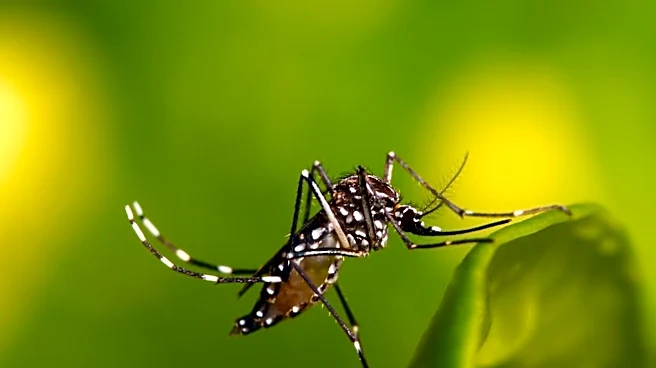
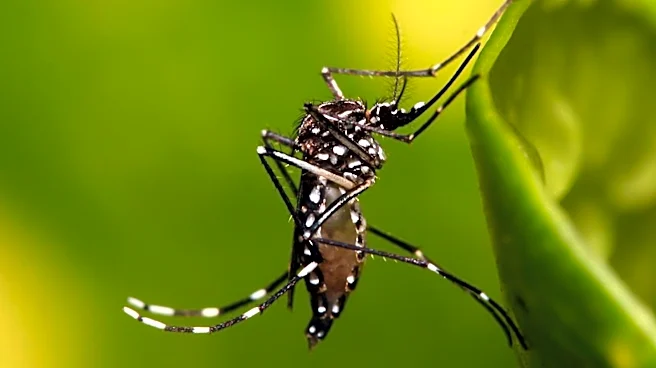
A local case of West Nile virus has been detected in the Pyrénées-Orientales region of France, marking the first human case of local transmission in 2026. The virus, primarily transmitted by mosquitoes, can cause neurological issues in humans. Despite
293 imported cases of chikungunya, dengue, and Zika since May 1, no local cases of these diseases have been reported in France. The West Nile virus is known to circulate between birds and mosquitoes, with humans and horses being incidental hosts. The detection of this case highlights the ongoing surveillance efforts by French health authorities to monitor mosquito-borne diseases.
Why It's Important?
The detection of a local case of West Nile virus in France underscores the potential for mosquito-borne diseases to spread in regions where they were previously not endemic. This development is significant as it indicates the virus's ability to establish local transmission, which could lead to more cases if not controlled. The presence of such diseases poses a public health challenge, requiring increased surveillance and preventive measures to protect vulnerable populations. The situation also highlights the impact of climate change and increased mobility on the spread of infectious diseases.
What's Next?
French health authorities are likely to enhance surveillance and control measures to prevent further spread of the West Nile virus. This may include public health campaigns to reduce mosquito breeding sites and increase awareness about protective measures against mosquito bites. The situation will be closely monitored to detect any additional cases and to assess the effectiveness of current interventions. Collaboration with international health organizations may also be necessary to address the broader implications of mosquito-borne diseases in Europe.