





What's Happening?
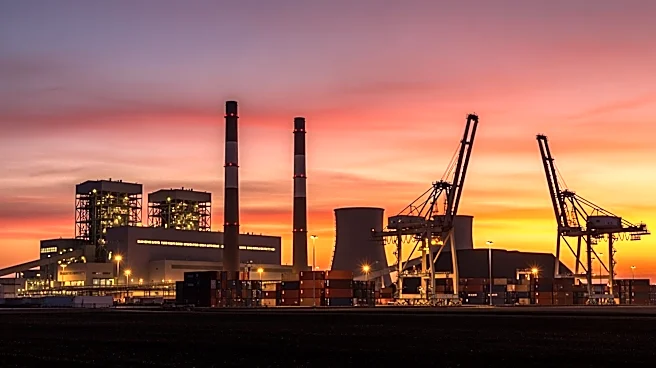
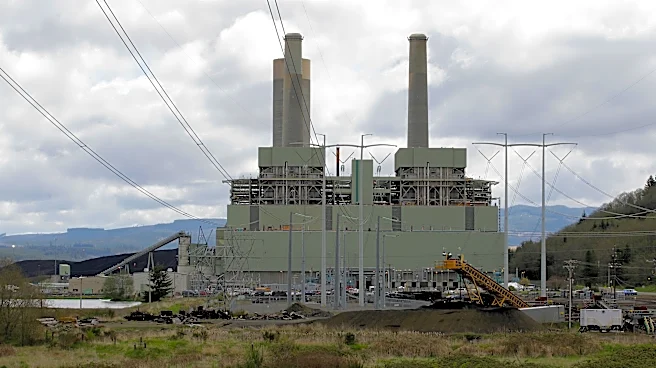
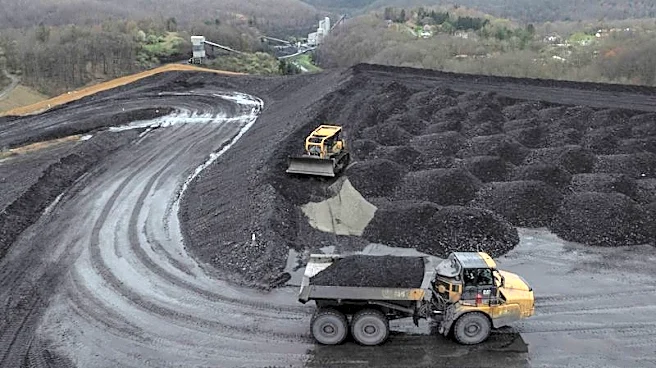
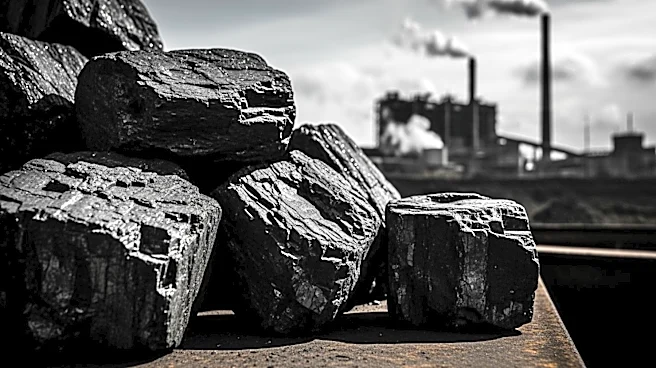
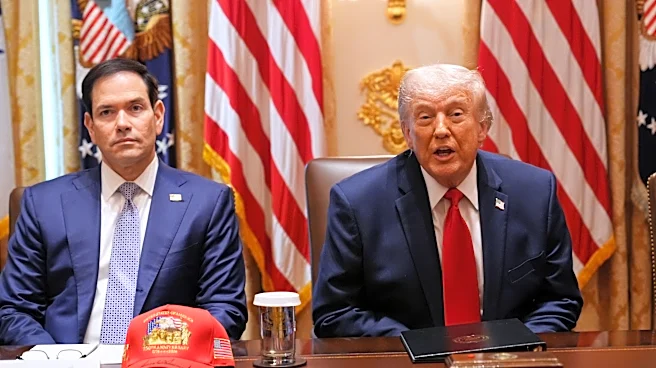
President Trump has announced a plan to allocate $700 million to support the U.S. coal industry, utilizing the Defense Production Act, a Cold War-era statute. This move aims to bolster coal-fired power plants and coal exports, marking the first new U.S. coal plants since
2013. The funds will support 13 coal plants across the country, help build new plants in Alaska and West Virginia, and restart a shuttered plant in Maryland. The initiative is expected to support or create over 14,000 jobs in coal, construction, rail, and maritime industries. The administration argues that this will reinforce the reliability of the U.S. electric grid, which is facing increased demand due to growth in data centers, artificial intelligence, and electric cars.
Why It's Important?
The decision to invest in coal is significant as it attempts to reverse the long-term decline of the U.S. coal industry, which has been shrinking due to environmental regulations and competition from cheaper natural gas and renewable energy. The move is controversial, with environmental groups criticizing it as a step backward in efforts to combat climate change. They argue that it prioritizes polluters and could lead to higher electricity bills and increased air pollution. However, supporters claim that coal generation provides stability against volatile energy prices and supply challenges, especially in the context of rising energy demands.
What's Next?
The administration's plan includes extending the operational life of coal plants and supporting coal exports, particularly to Asian markets. However, challenges remain, such as global coal demand potentially flattening or declining and the difficulty for U.S. companies to expand into new markets due to abundant global coal reserves. Additionally, the plan faces opposition from community members and advocacy groups concerned about the environmental and health impacts of coal transportation and usage.