






What's Happening?
Oil prices are on track to experience their largest quarterly drop since the pandemic, with a 30% decline expected by the end of the quarter. This significant decrease follows a memorandum of understanding between the U.S. and Iran aimed at continuing
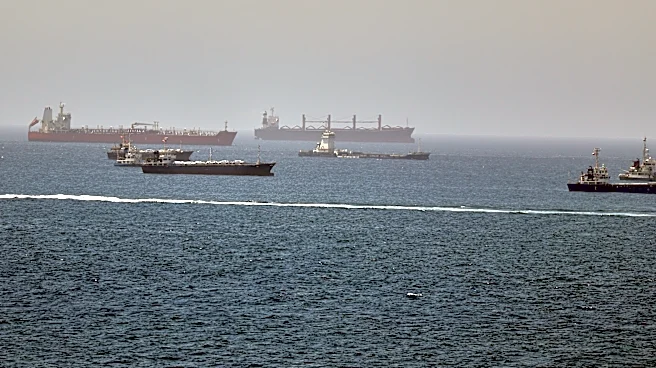
negotiations for a potential peace deal by August. The reopening of the Strait of Hormuz, a critical passage for global oil shipments, has contributed to the decline in prices. Brent Crude prices have dropped by 30.4% this quarter, marking the steepest decline since the pandemic-induced crash in early 2020. The market is reacting to the potential for increased oil flow through the Strait of Hormuz, although analysts caution against over-optimism due to the volatile geopolitical situation.
Why It's Important?
The drop in oil prices has significant implications for global markets and economies, particularly those heavily reliant on oil exports. The reopening of the Strait of Hormuz is crucial for maintaining global oil supply chains, and any disruption could lead to increased volatility in oil prices. The decline in prices may benefit oil-importing countries by reducing energy costs, but it poses challenges for oil-exporting nations that rely on higher prices for economic stability. The situation underscores the delicate balance of geopolitical tensions and economic interests in the region, with potential impacts on global energy security and market stability.
What's Next?
The future of oil prices will largely depend on the stability of the U.S.-Iran negotiations and the security of the Strait of Hormuz. Any escalation in tensions could lead to renewed disruptions in oil supply, causing prices to spike. Conversely, a successful peace deal could stabilize the region and lead to a more predictable oil market. Investment banks and analysts will continue to monitor the situation closely, adjusting their forecasts based on developments in the geopolitical landscape. The outcome of these negotiations will have far-reaching consequences for global energy markets and economic policies.