




What's Happening?
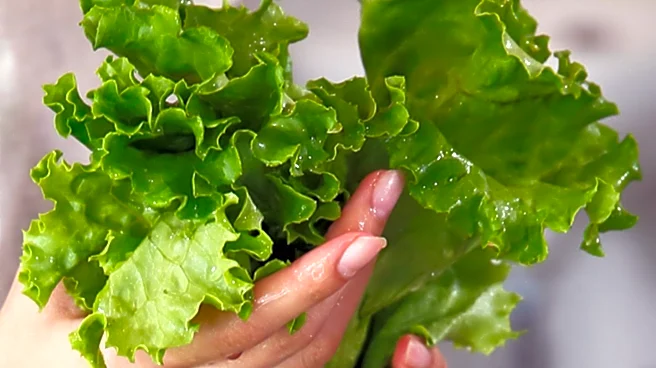
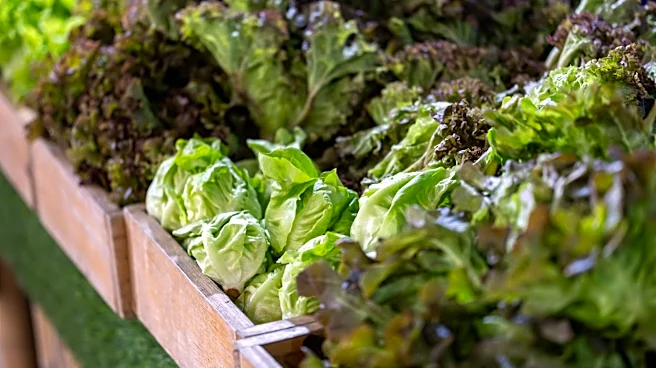
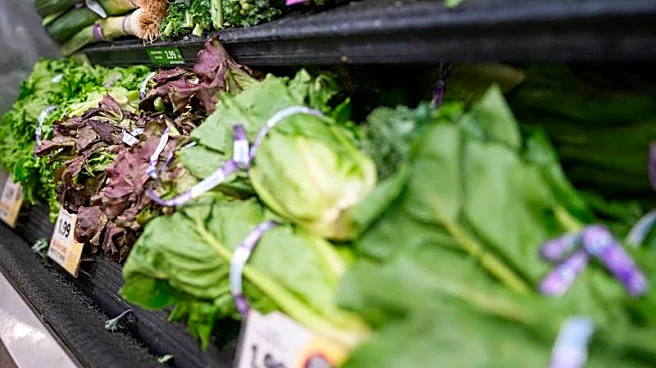
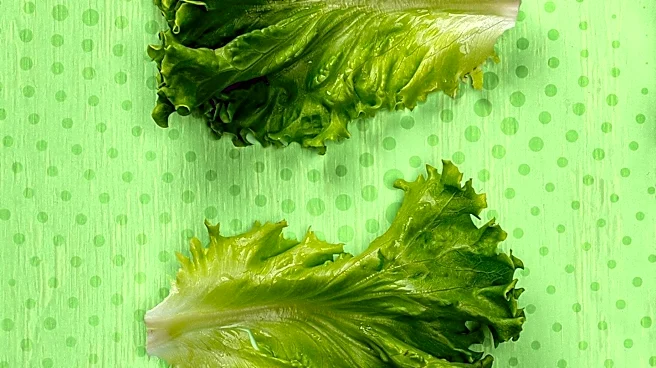
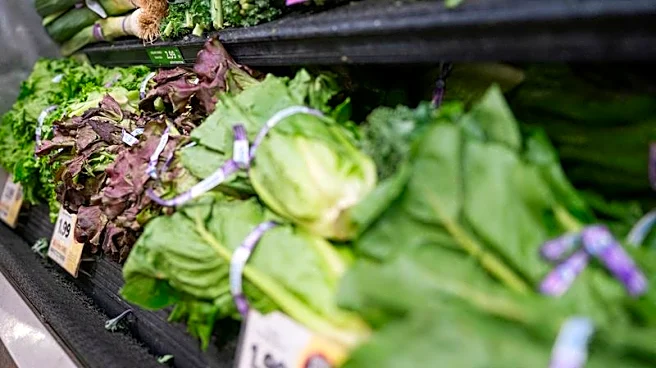
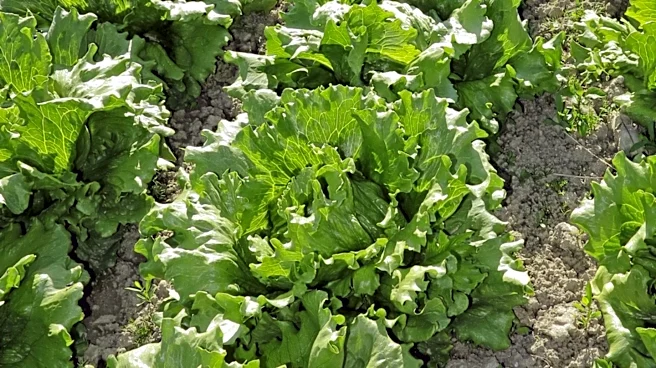
A significant outbreak of cyclosporiasis, caused by the Cyclospora parasite, has affected approximately 18,000 individuals across 45 states in the U.S. The outbreak, which began in May, has been linked to contaminated shredded lettuce, particularly iceberg
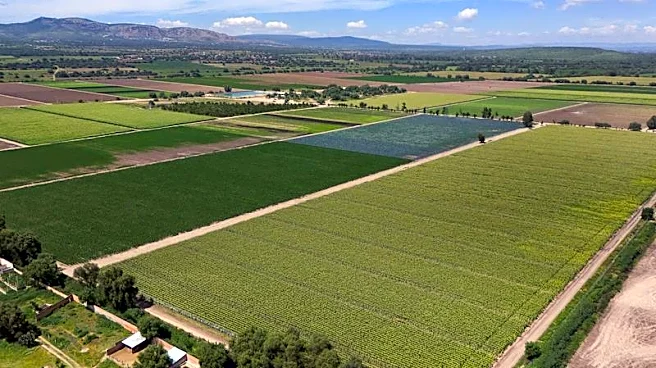
lettuce served at Taco Bell. The supplier, Taylor Farms, has issued a recall of its iceberg lettuce sourced from central Mexico. The outbreak has led to over 423 hospitalizations, though no deaths have been reported. The Centers for Disease Control and Prevention (CDC) and the Food and Drug Administration (FDA) are investigating the outbreak, which has expanded to nine states in the Midwest. Health officials are also exploring other potential sources of contamination, including fresh parsley and cilantro.
Why It's Important?
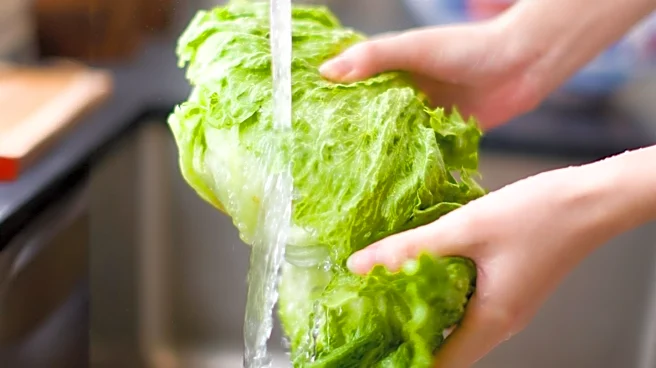
The widespread nature of the cyclosporiasis outbreak highlights the vulnerabilities in the food supply chain and the importance of food safety measures. The outbreak has significant public health implications, as it affects a large number of people and strains healthcare resources. The recall of contaminated lettuce impacts both consumers and businesses, particularly those in the food service industry. The situation underscores the need for rigorous food safety protocols and timely communication between health authorities and the public to prevent further spread of the parasite. The outbreak also raises awareness about the importance of proper food handling and hygiene practices.
What's Next?
Health authorities continue to investigate the outbreak to identify all potential sources of contamination. The FDA and CDC are working to trace the distribution of the contaminated lettuce and other possible food items linked to the outbreak. Consumers are advised to avoid eating recalled lettuce and to inquire about the source of lettuce when dining out. The situation remains dynamic, with health officials monitoring the spread of the parasite and issuing updates as new information becomes available. The outcome of these investigations will likely influence future food safety regulations and practices.