








What's Happening?
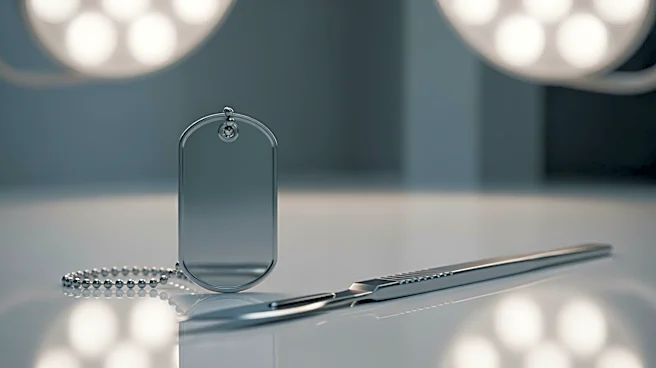
A recent report highlights a growing trend of elective cosmetic surgeries among South Korean military personnel. According to the Seoul-based newspaper Hankook Ilbo, translated by The Korea Times, there is an increase in soldiers undergoing procedures
such as rhinoplasties. This trend is attributed to South Korea's advanced aesthetics culture, increased military pay, aggressive marketing by clinics, and military discounts. The surgeries are causing operational challenges, as recovery times interfere with military duties. Commanders report instances where soldiers have been excused from duties like trench maintenance and cold-weather training due to recent surgeries. The report suggests that while plastic surgery is common globally, the issue in the military context is the impact on staffing and operational readiness.
Why It's Important?
The rise in cosmetic surgeries among military personnel in South Korea underscores broader societal trends and raises questions about military readiness. As aesthetic procedures become more normalized, military leaders face the challenge of balancing personal choices with operational needs. This situation could have implications for military policies and readiness, as similar trends might emerge in other countries, including the U.S. The issue also reflects changing cultural values, where personal appearance and self-improvement are prioritized, potentially influencing military norms and expectations. The situation highlights the need for military institutions to adapt to evolving societal norms while maintaining operational effectiveness.
What's Next?
Military leaders in South Korea are seeking guidance on managing the impact of elective surgeries on staffing and readiness. This may involve developing new policies to address the balance between personal choices and military obligations. As the trend of cosmetic surgery continues to grow, other countries' militaries, including the U.S., may need to consider similar policies. The situation could lead to discussions on how to accommodate personal choices within the military framework without compromising operational capabilities. Additionally, there may be increased scrutiny on the marketing practices of clinics targeting military personnel.