






What's Happening?
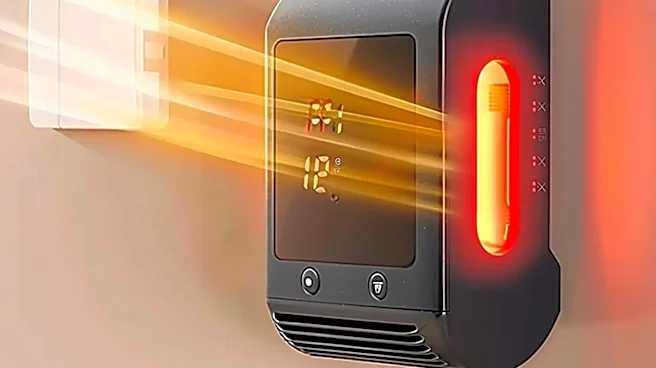
Smart heater technology is providing homeowners with greater control over indoor temperatures and improved energy management. These advanced electric heaters integrate features such as Wi-Fi connectivity, smartphone access, programmable schedules, and compatibility
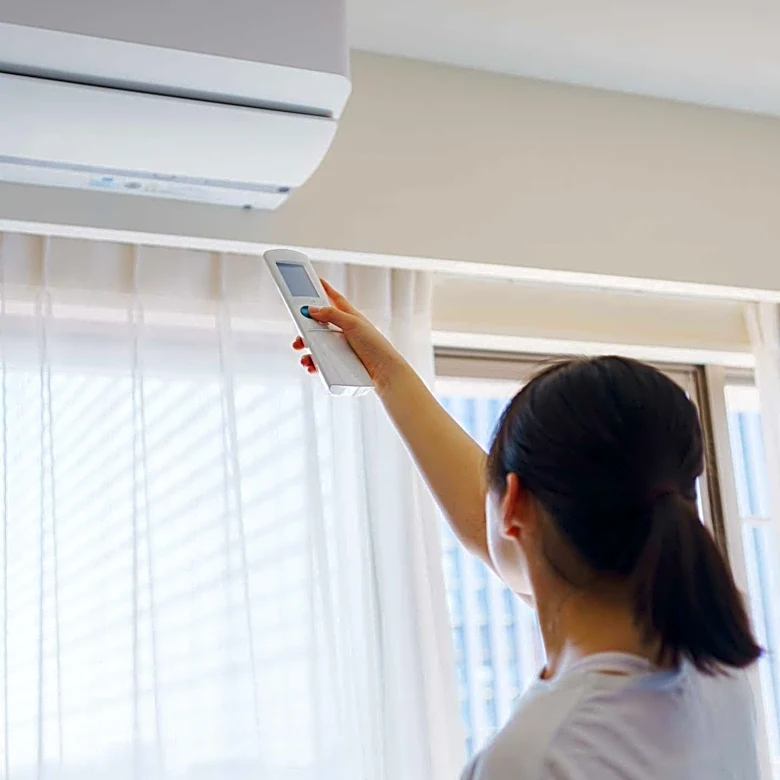
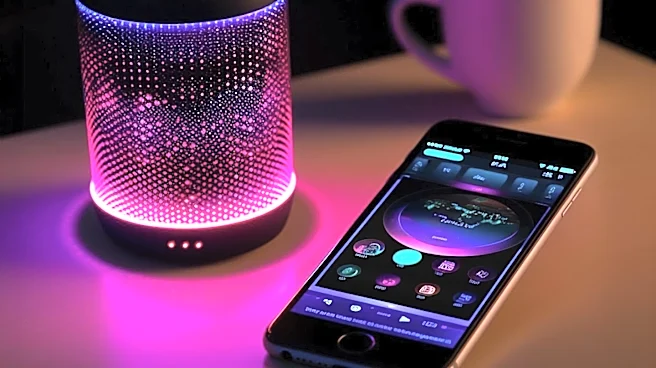
with voice assistants like Amazon Alexa and Google Home. For instance, the Smart Envi heater combines fanless convection heating with connected controls, allowing users to adjust temperatures remotely via a smartphone app or directly on the unit. These heaters can be grouped by room for organized heating management and offer scheduling options to create automatic daily routines, optimizing warmth around specific activities or times. Geofencing capabilities further enhance efficiency by adjusting heating based on a user's proximity to home, while shared access allows multiple household members to manage settings. This technology aims to personalize comfort without requiring bulky equipment, often featuring wall-mounted designs to save floor space.
Why It's Important?
The emergence of smart heater technology is significant for U.S. consumers seeking to optimize their home comfort and reduce energy costs. By offering precise control over heating in specific zones, these devices enable homeowners to avoid unnecessarily heating entire homes, potentially leading to substantial energy savings. This 'zone heating' approach allows individuals to warm only the rooms they are actively using, such as a home office during work hours, while keeping less-used areas at lower temperatures. Such targeted heating can help manage energy consumption more effectively than relying solely on a central thermostat. The convenience of remote control and scheduling also contributes to a more efficient lifestyle, allowing users to adapt heating to changing plans or daily routines. This technology supports a broader trend towards energy-conscious living and smart home integration, impacting utility bills and environmental footprints.
What's Next?
Future developments in smart heater technology are likely to focus on even greater integration with broader smart home ecosystems and advanced energy management features. We can anticipate more sophisticated AI-driven algorithms that learn user preferences and optimize heating schedules autonomously, potentially integrating with weather forecasts and real-time energy pricing. Enhanced sensor technology could lead to heaters that automatically adjust based on room occupancy or air quality. The expansion of voice control capabilities and seamless interoperability with a wider range of smart home platforms will also be key. As energy efficiency becomes increasingly critical, smart heaters may incorporate features that provide detailed energy consumption reports and personalized recommendations for further savings. Additionally, advancements in materials and design could lead to even more compact, aesthetically pleasing, and efficient heating solutions.
Beyond the Headlines
Beyond the immediate benefits of comfort and cost savings, smart heater technology contributes to a larger shift in how energy is consumed and managed within residential settings. The ability to precisely control heating at a granular level empowers consumers to be more active participants in their energy usage, fostering greater awareness of consumption patterns. This micro-management of energy can have macro-level implications, potentially reducing strain on electrical grids during peak demand periods if widely adopted. However, it also raises questions about the environmental impact of manufacturing and disposing of these technologically advanced devices. Furthermore, the reliance on connectivity introduces potential cybersecurity risks, as smart heaters, like other IoT devices, could be vulnerable to hacking if not properly secured. The long-term societal impact includes a move towards more personalized and automated living spaces, where environmental conditions are increasingly tailored to individual preferences through intelligent systems.