






What's Happening?
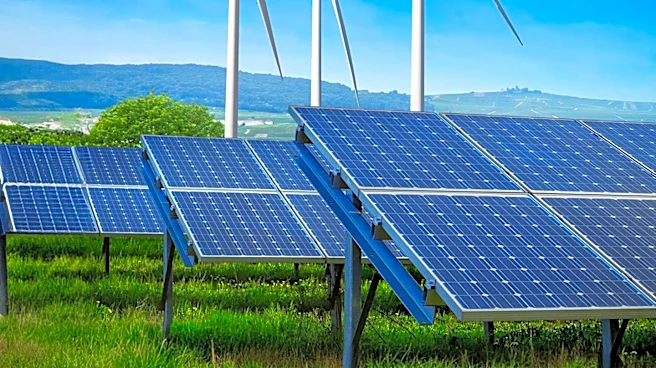
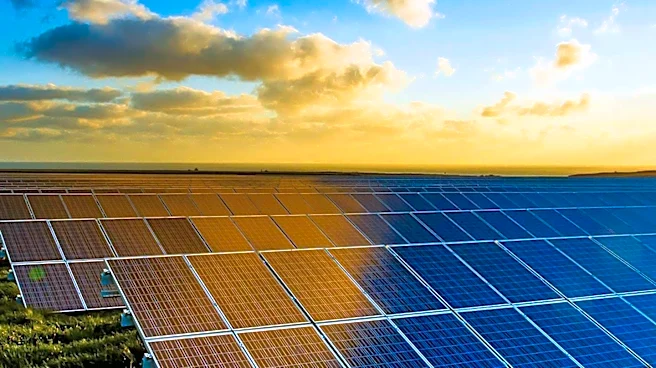
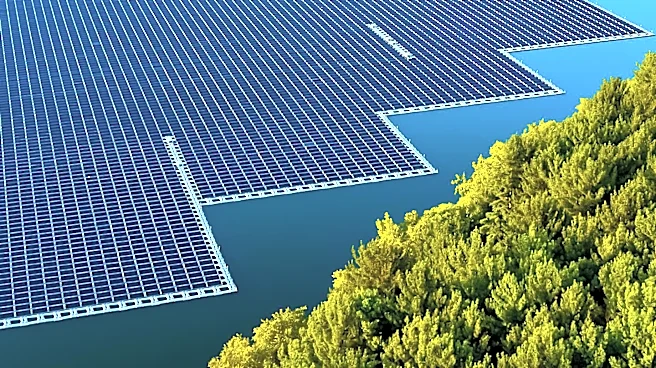
Monroeville, Ohio, a village with approximately 1,300 residents, has significantly expanded its solar energy generation by installing 9,222 solar panels on its reservoir. This new array, mounted across three floating platforms, adds 6 megawatts of capacity
to the local distribution grid. The installation, developed by D3Energy and owned by Gardner Capital, is Ohio's largest floating solar project and ranks among the top five in the United States. By utilizing about 12 acres of the reservoir surface, the project avoids the need for approximately 30 acres of land that a comparable ground-mounted system would require. This approach is particularly notable in Ohio, where a 2021 law has allowed about one-third of the state's 88 counties to restrict large solar developments. This new floating array complements Monroeville's existing 4-megawatt ground-mounted facility, which has been operational since 2017, resulting in the village now possessing about 13 times Ohio's per-person solar capacity.
Why It's Important?
This development in Monroeville, Ohio, is important as it demonstrates an innovative solution for expanding solar energy generation without consuming valuable agricultural land, a significant concern in many regions. The use of floating solar technology on reservoirs offers a viable pathway for other small towns and communities to increase their renewable energy footprint, especially in areas where land availability is limited or where there are restrictions on ground-mounted solar projects. This project contributes to the broader adoption of clean energy and helps reduce reliance on traditional energy sources, aligning with national efforts to combat climate change and enhance energy independence. Furthermore, the success of such projects can inspire similar initiatives across the U.S., potentially leading to a more diversified and resilient energy grid. The project also highlights the role of private companies like D3Energy and Gardner Capital in driving renewable energy infrastructure development.
What's Next?
The success of Monroeville's floating solar array could serve as a model for other municipalities and states looking to expand their solar capacity while minimizing land use. D3Energy has already implemented similar projects in Ohio, including for Del-Co Water in Delaware and the City of Lima, indicating a growing trend in floating solar installations. Homeowners interested in solar energy can utilize resources like EnergySage's solar map to find information on average costs and available incentives in their respective states, which could lead to increased adoption of residential solar panels. The continued development and refinement of floating solar technology are expected, potentially leading to more cost-effective and efficient installations. This could also prompt policy discussions at state and federal levels regarding incentives and regulations for innovative solar solutions, further accelerating the transition to renewable energy sources across the country.
Beyond the Headlines
The Monroeville project underscores a deeper shift in how communities are approaching renewable energy development, moving beyond traditional land-intensive methods. The concept of 'dual-use' infrastructure, where a single resource serves multiple purposes—in this case, a reservoir providing water storage and energy generation—represents a more sustainable and efficient approach to resource management. This innovation could mitigate conflicts over land use, particularly in agricultural regions, and foster greater public acceptance of large-scale renewable energy projects. Ethically, it highlights a commitment to environmental stewardship by maximizing existing resources. Culturally, it could shift perceptions of industrial infrastructure, transforming utilitarian spaces into symbols of environmental progress. The long-term implications include a potential re-evaluation of how public and private lands and waters are utilized for energy production, paving the way for more integrated and environmentally conscious development strategies nationwide.