




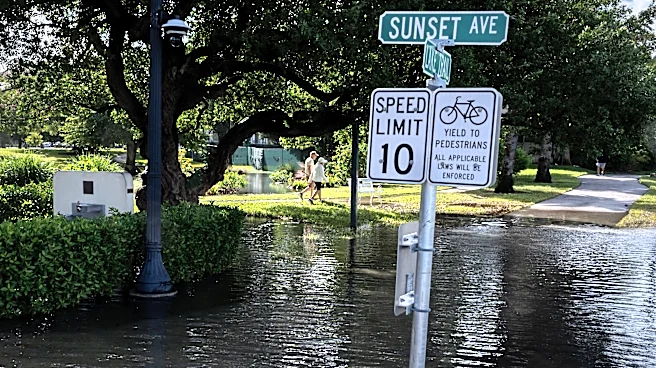

What's Happening?
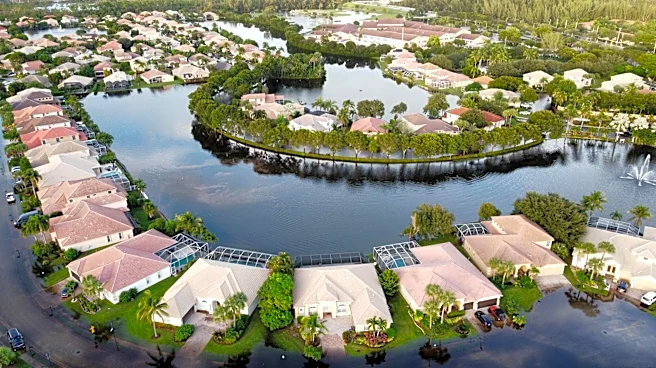
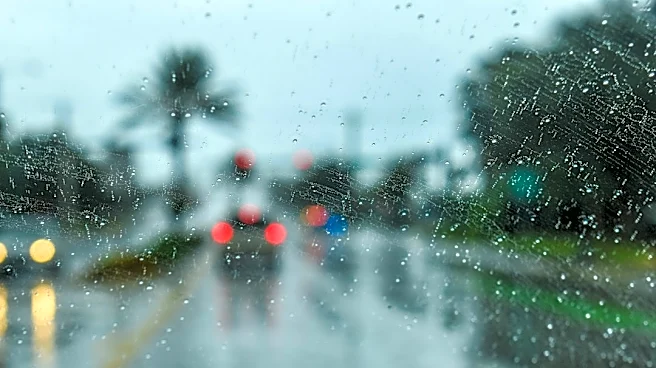
A slow-moving storm system, intensified by the natural warming cycle of El Niño, has unleashed heavy rains across South Florida, prompting emergency declarations. The city of Hollywood, Florida, declared a state of emergency after receiving significant
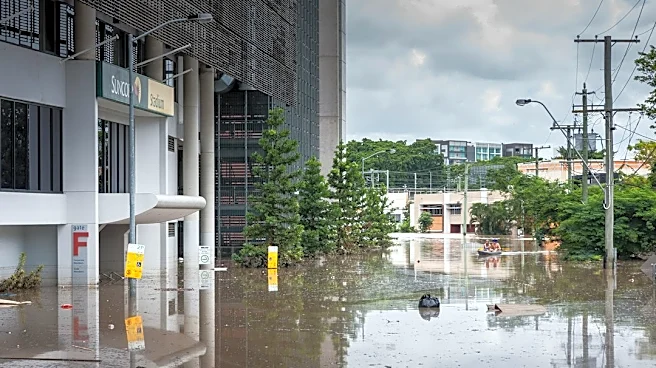
rainfall, with Mayor Josh Levy urging residents to avoid driving. Preliminary figures from the National Weather Service indicate that parts of Broward County received 15.3 inches of rain in a 24-hour period. This deluge led to the collapse of a synagogue roof in Hollywood, submerged cars on roads, and the closure of portions of the Florida Turnpike and Interstate 95. The El Niño phenomenon is disrupting Florida's typical dry season, bringing low-pressure systems and heavy precipitation to the southeastern United States.
Why It's Important?
The severe flooding in South Florida, attributed to El Niño, highlights the vulnerability of densely populated coastal areas to extreme weather events. The economic impact includes significant disruption to daily life, business closures, and damage to public and private property. The closure of major highways like the Florida Turnpike and Interstate 95 has substantial implications for commerce and transportation, affecting supply chains and local economies. The strain on emergency services, which received over 300 calls overnight in Hollywood, underscores the challenges in managing such large-scale natural disasters. For the U.S., these events contribute to rising insurance costs and necessitate federal aid for recovery, placing a burden on national resources. The incident also emphasizes the critical need for robust infrastructure and effective urban planning to mitigate the effects of increasingly frequent and intense weather phenomena.
What's Next?
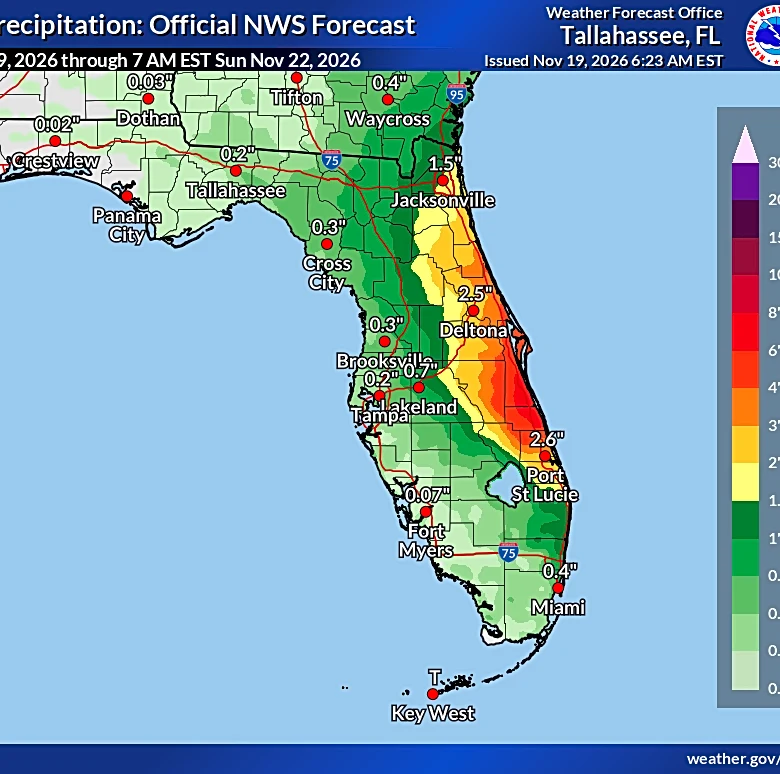
The National Weather Service anticipates the threat of heavy rainfall to persist through Friday along Florida's Atlantic Coast, with an additional 12 inches possible. Furthermore, a low-pressure system is expected to form near the northern Bahamas, with the potential to develop into a subtropical or tropical storm, impacting the southeast and mid-Atlantic coasts into early next week. Officials have announced school closures for Thursday in Broward and Miami-Dade counties. In northern Florida, a minor flooding warning was issued for the St. Johns River. These forecasts suggest that residents and emergency services in Florida and along the Atlantic seaboard must remain prepared for continued hazardous conditions and potential further disruptions to travel and daily activities.
Beyond the Headlines
The El Niño-driven rainfall in South Florida brings to the forefront the broader discussion on climate change adaptation and resilience in U.S. urban centers. The 'historically significant rainfall event' in Hollywood, and the breaking of a 1959 daily rainfall record in Fort Lauderdale, suggest that historical weather patterns may no longer be reliable indicators for future planning. The incident raises ethical questions about the responsibility of local and federal governments to protect citizens and infrastructure from increasingly severe weather. It also highlights the social equity implications, as lower-income communities often bear a disproportionate burden of natural disasters. The long-term implications could include accelerated coastal erosion, increased demand for flood insurance, and a re-evaluation of building codes and zoning laws in vulnerable regions, shaping future public policy and investment strategies.