






What's Happening?
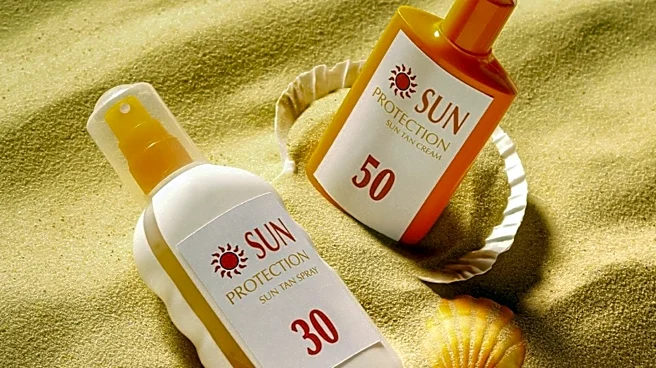
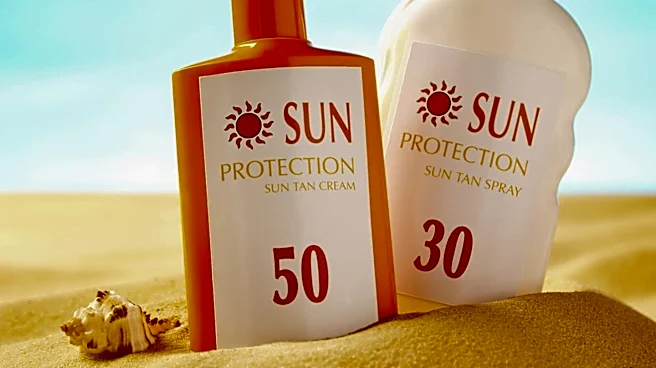
Dermatologists are strongly advocating for consistent sun protection habits, particularly the daily use of broad-spectrum sunscreen with a Sun Protection Factor (SPF) of 50 or higher. This recommendation is crucial for safeguarding skin against harmful
ultraviolet (UV) rays and mitigating the development or progression of skin cancers. For individuals dealing with melasma, a common skin condition characterized by dark patches, applying broad-spectrum sunscreen daily is highlighted as the most critical habit in pigmentation care. The Sun Protection Factor (SPF) specifically measures a sunscreen's ability to protect against ultraviolet B (UVB) rays, which are primarily responsible for sunburn. However, broad-spectrum sunscreens are designed to filter both UVB and ultraviolet A (UVA) rays, with UVA penetrating deeper into the skin and contributing to pigmentation and aging. Cleveland Clinic and Mayo Clinic both suggest SPF 30 as a minimum, emphasizing the importance of reapplication and seeking shade in conjunction with sunscreen use. For melasma, dermatologists often recommend mineral formulations tinted with iron oxides, as these can block visible light in addition to UV rays, offering more comprehensive protection.
Why It's Important?
The emphasis on daily broad-spectrum SPF use carries significant implications for public health and the skincare industry in the U.S. By promoting consistent sun-safe practices, dermatologists aim to reduce the overall incidence of skin cancers, a prevalent health concern. This push could lead to increased demand for broad-spectrum sunscreens, particularly those with higher SPF values and specialized formulations like tinted mineral sunscreens, impacting manufacturers and retailers. For individuals, adopting these habits can lead to better skin health, reduced risk of sun damage, and improved management of conditions like melasma, which can significantly affect quality of life. The distinction between SPF's protection against UVB and broad-spectrum protection against both UVA and UVB is vital for consumer education, ensuring that individuals select products that offer comprehensive defense against sun-induced skin issues. Furthermore, the recommendation for tinted mineral sunscreens for melasma highlights the evolving understanding of how different light spectrums affect skin pigmentation, potentially driving innovation in sunscreen technology.
What's Next?
The continued emphasis on daily broad-spectrum SPF use is likely to drive further public awareness campaigns and educational initiatives from health organizations and dermatological associations. Consumers can expect to see more products marketed with clear indications of broad-spectrum protection and higher SPF values. The skincare industry may respond by developing more advanced sunscreen formulations, including those that offer protection against visible light, especially for conditions like melasma. There could also be an increased focus on the importance of reapplication and complementary sun protection methods, such as wearing hats and seeking shade. For individuals with melasma, ongoing research may lead to more targeted treatment plans that integrate specific sunscreen types with other therapies. Healthcare providers will likely continue to educate patients on the nuances of SPF and broad-spectrum protection, ensuring that individuals make informed choices about their sun protection strategies.
Beyond the Headlines
The push for enhanced SPF awareness extends beyond immediate skin protection, touching upon broader societal and cultural aspects of sun exposure. Historically, tanning has been associated with health and beauty, but growing scientific understanding of UV damage is shifting this perception. This renewed focus on sun protection challenges long-held beauty standards and promotes a healthier approach to outdoor activities. Ethically, the responsibility falls on manufacturers to clearly label products and on healthcare professionals to provide accurate, accessible information to the public. The recommendation for specific sunscreen types for melasma also highlights the personalized nature of skincare and the need for tailored solutions based on individual skin concerns. This could lead to a more nuanced understanding of sun protection, moving beyond a one-size-fits-all approach to one that considers diverse skin types and conditions. The long-term impact could be a significant reduction in sun-related skin diseases and a greater appreciation for preventive skincare measures.