




What's Happening?
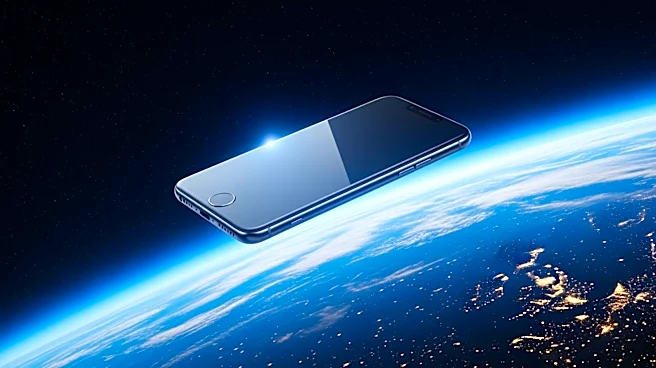
NASA's Artemis II mission, which recently completed a record-breaking flyby of the moon, has seen its astronauts using iPhones to capture personal and historic moments during their journey. The crew, consisting of NASA astronauts Reid Wiseman, Victor
Glover, Christina Koch, and Canadian Space Agency's Jeremy Hansen, utilized iPhone 17s alongside professional cameras and GoPros to document their mission. This decision, endorsed by NASA Administrator Jared Isaacman, marks a shift towards integrating modern consumer technology in space missions. The use of smartphones, while not connected to the internet, allowed astronauts to take striking images of Earth and each other, adding a personal touch to the mission's documentation.
Why It's Important?
The integration of smartphones in space missions represents a significant shift in how astronauts document their experiences. This move could influence future missions by encouraging the use of more accessible technology, potentially reducing costs and increasing the personal engagement of astronauts. The Artemis II mission's success in using iPhones may pave the way for broader adoption of consumer technology in space exploration, enhancing public interest and engagement. Additionally, the mission highlights the increasing role of women in space exploration, with Christina Koch becoming the first woman to orbit the moon, setting a precedent for gender diversity in future missions.
What's Next?
As the Artemis II mission returns to Earth, the successful use of smartphones may lead NASA to consider further integration of consumer technology in upcoming missions. This could include more advanced devices or applications designed specifically for space use. The mission's success also sets the stage for future Artemis missions, which aim to establish a sustainable human presence on the moon. The data and experiences gathered from this mission will likely inform the planning and execution of these future endeavors, potentially influencing the design and technology used in space exploration.