





What's Happening?
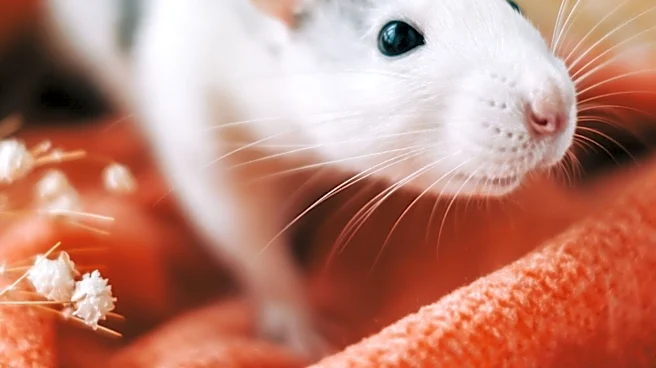
More than 100 pet rats were discovered living in two parked cars in Eugene, Oregon, last month, according to the Eugene Police Department. On September 23, at approximately 10:30 a.m., officers and animal welfare officials were called to assist with two cars that
were being towed. One of the vehicles, a blue Saturn, was found covered by a tarp. Upon its removal, officers observed numerous rats inside. The car's interior was reportedly filled with rat feces, chewed-up seat cushions, and trash, with very little food and water available for the animals. Additional rats were subsequently found in a gold Suburban parked nearby. The owner of the rats claimed to have rescued them and attempted to aid in their capture using yogurt, but the rats proved difficult to catch. Fifty-two rats were successfully placed into eight cages and transported to the Greenhill Humane Society. Following their arrival, three of these rats gave birth, adding 18 newborn rats to the total. The two cars, with remaining rats inside, were taken to a towing yard. Animal welfare authorities plan to continue providing food and water for the rats at the towing yard until the Greenhill Humane Society has the capacity to accommodate more. The case is currently under investigation for neglect.
Why It's Important?
This incident highlights significant animal welfare concerns and the challenges faced by animal control and humane societies in managing large-scale animal hoarding or neglect cases. The discovery of over 100 rats in unsanitary and inadequate conditions underscores the potential for rapid population growth among small animals and the severe impact on their health and well-being when proper care is not provided. Such situations often strain the resources of local animal shelters, which must provide immediate care, housing, and potential adoption services for a large number of animals. The ongoing neglect investigation also brings attention to the legal and ethical responsibilities of pet ownership, emphasizing that even small animals require appropriate living conditions, nutrition, and veterinary care. Furthermore, the incident could raise public health concerns due to the unsanitary conditions and the potential for disease transmission associated with a large number of rodents living in close proximity to humans, even if contained within vehicles.
What's Next?
The neglect investigation initiated by the Eugene Police Department is ongoing, and its outcome will determine if charges are filed against the owner of the rats. Animal welfare officials will continue to monitor and care for the remaining rats at the towing yard, coordinating with the Greenhill Humane Society for their eventual transfer as space becomes available. The humane society will then be responsible for the care, rehabilitation, and potential adoption of all the rescued rats, including the newborns. This process will likely involve significant resources for veterinary checks, feeding, and finding suitable homes. The incident may also prompt local animal welfare organizations to increase public awareness campaigns regarding responsible pet ownership, the challenges of animal hoarding, and the importance of spaying and neutering to control pet populations.
Beyond the Headlines
Beyond the immediate animal welfare concerns, this event sheds light on the complex psychological and social factors that can contribute to animal hoarding. Often, individuals who hoard animals believe they are rescuing them, despite the animals living in deplorable conditions. This can be a symptom of underlying mental health issues, such as obsessive-compulsive disorder or attachment disorders, and often requires a compassionate yet firm intervention approach. The sheer number of animals involved also points to a lack of oversight or early intervention mechanisms that could prevent such situations from escalating. This case could spark discussions about community support systems for individuals struggling with animal hoarding, balancing the need for animal protection with the provision of human services. It also underscores the need for public education on the realities of pet ownership, particularly for animals with high reproductive rates, to prevent similar situations in the future.