








What's Happening?
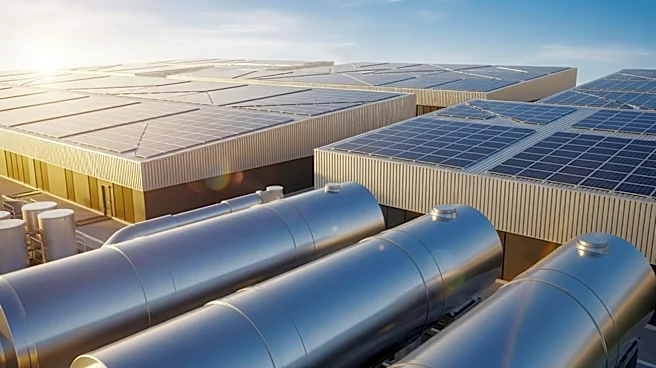
A prominent Egyptian business family, led by Elsewedy Electric, is spearheading a North African alliance to expand into Central Africa's infrastructure and energy sectors. This strategic move involves a partnership with Algeria's state-owned utility,
Sonelgaz, to develop renewable energy projects, including solar and wind power, in countries such as Senegal, Ivory Coast, and Cameroon. The alliance is also exploring industrial diversification beyond power generation, such as manufacturing fiber optic cables to serve Algeria and other African markets. This initiative aims to build integrated infrastructure systems that combine energy, engineering, and digital connectivity across the region.
Why It's Important?
The expansion of this North African alliance into Central Africa represents a significant shift in the region's business landscape. Historically dominated by French corporations and West African conglomerates, the market is now facing new competition from this Egyptian-led consortium. This development could lead to increased competition, better technology transfers, and new options for building critical infrastructure in local economies. For entrenched French and West African corporate giants, this presents a direct operational challenge, requiring rapid adaptation to maintain their market positions.
What's Next?
The alliance's entry into Central Africa is expected to continue disrupting the existing market dynamics. As the consortium reviews seven projects with Algerian authorities, it signals a growing pipeline of cross-border energy investments. The success of these ventures could encourage further expansion and collaboration across the continent, potentially reshaping the economic landscape in sub-Saharan Africa. Stakeholders, including local governments and businesses, will likely monitor these developments closely to assess their impact on regional growth and infrastructure development.
Beyond the Headlines
This strategic move by the Egyptian business dynasty highlights a broader trend of African countries seeking to reduce reliance on traditional colonial-era trade networks and Western European engineering models. By introducing an independent, continent-grown financing and procurement framework, the alliance is setting a precedent for other African nations to follow. This could lead to a more self-sufficient and interconnected African economy, fostering regional cooperation and development.