



What's Happening?
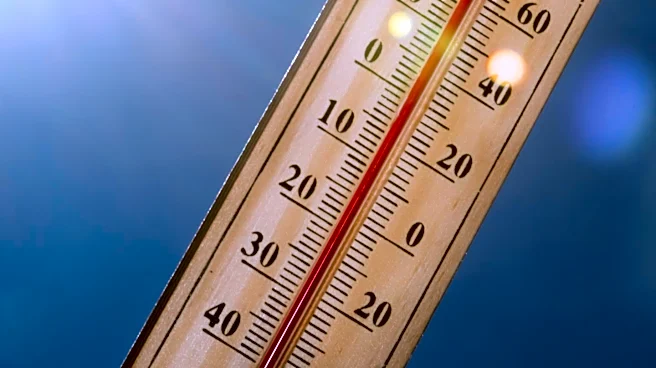
South Korea has experienced its highest recorded temperature since records began, with the southeastern city of Yangsan reaching 42.5°C on August 2, 2026. The Korea Meteorological Administration confirmed this unprecedented heat, which has led to severe
heat warnings across the country. The heatwave has persisted, with temperatures exceeding 40°C for five consecutive days in Yangsan. In response, the government has issued emergency alerts, advising citizens to avoid outdoor activities and seek shelter in air-conditioned spaces. The heatwave has resulted in at least 13 deaths and has disrupted daily life, including the cancellation of professional baseball games.
Why It's Important?
The extreme heatwave in South Korea highlights the growing impact of climate change, as such high temperatures pose significant risks to public health and safety. The government's emergency response underscores the urgency of addressing climate-related challenges. The heatwave's impact on daily life, including disruptions to sports and other activities, reflects broader societal vulnerabilities to extreme weather events. This situation may prompt increased investment in infrastructure and policies aimed at mitigating the effects of climate change and protecting vulnerable populations.
What's Next?
As the heatwave continues, South Korean authorities are likely to maintain and possibly escalate emergency measures to protect public health. The government may also consider long-term strategies to enhance resilience against future heatwaves, such as improving urban planning and increasing public awareness of heat-related risks. Additionally, this event could influence South Korea's climate policy and international commitments to reduce greenhouse gas emissions.