






What's Happening?
The European Investment Bank (EIB) has provided significant financial backing for infrastructure improvements in Ternopil, a city in western Ukraine. This support has facilitated energy-efficiency upgrades in four kindergartens and the introduction of
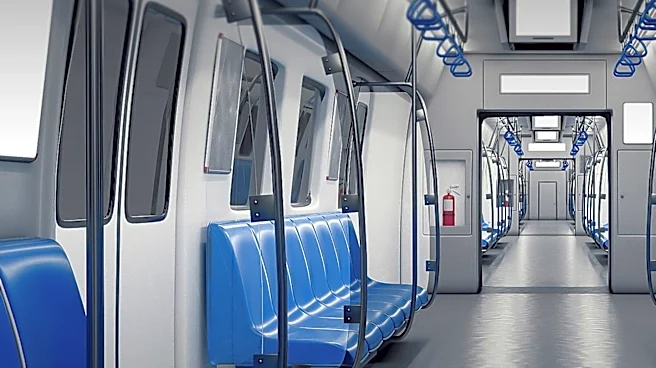
17 new Ukrainian-made trolleybuses. The kindergarten renovations, which received approximately €5 million in EIB financing, included new insulation, windows, doors, improved heating and ventilation systems, energy-efficient lighting, and accessibility enhancements. These upgrades are projected to reduce energy consumption by at least 20%. Additionally, €5.5 million in EIB financing enabled the acquisition of 17 trolleybuses manufactured by ElectronMash LLC in Ukraine. These new vehicles feature low floors, ramps for passengers with reduced mobility, passenger information displays, GPS tracking, video surveillance, and energy-efficient heating and air-conditioning. These initiatives are part of broader European Union efforts to enhance essential services in Ternopil, a city with a population of around 250,000.
Why It's Important?
This EIB-backed project is important as it directly improves the quality of life and public services for the residents of Ternopil, Ukraine. The energy efficiency upgrades in kindergartens will create warmer and more comfortable learning environments for over 1,100 children and improve working conditions for 250 staff members. The projected 20% reduction in energy consumption will also lead to cost savings for the city and contribute to environmental sustainability. The introduction of modern, accessible trolleybuses enhances public transportation options, making it more efficient and inclusive for all citizens, including those with reduced mobility. This investment also supports local industry, as the trolleybuses were manufactured in Ukraine, contributing to the country's economic resilience. The EIB's involvement underscores the European Union's commitment to supporting Ukraine's infrastructure development and its efforts to align with European standards for public services and energy efficiency.
What's Next?
The successful implementation of these projects in Ternopil could serve as a model for similar initiatives in other Ukrainian cities, particularly as the country continues its path towards recovery and integration with European standards. The EIB and other international financial institutions may continue to provide funding for further infrastructure development, focusing on areas such as energy efficiency, public transport, and social infrastructure. Local authorities in Ternopil will likely monitor the long-term impact of these upgrades, including actual energy savings and public satisfaction with the new transport system, to inform future urban development plans. The continued collaboration between Ukrainian cities and European financial institutions is expected to play a crucial role in modernizing Ukraine's urban landscape and improving the daily lives of its citizens.
Beyond the Headlines
Beyond the immediate benefits, these projects highlight a broader strategic effort to strengthen Ukraine's resilience and integration with Europe. By investing in essential services and modern infrastructure, the EIB is not only addressing immediate needs but also fostering long-term stability and development. The focus on energy efficiency in public buildings like kindergartens reflects a commitment to sustainable practices and reducing reliance on traditional energy sources, aligning with global climate goals. Furthermore, supporting local manufacturing, such as the production of trolleybuses within Ukraine, contributes to economic self-sufficiency and job creation, which are vital for post-conflict recovery and national development. This type of targeted investment can help build public trust in governmental and international institutions, demonstrating tangible improvements in daily life and reinforcing the benefits of international partnerships.