



What's Happening?
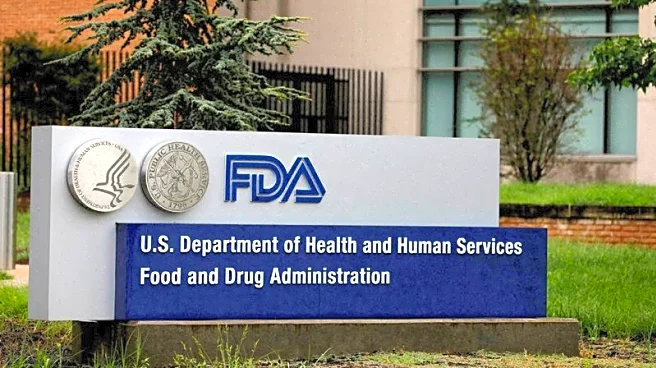
Magnesium supplements are increasingly popular for their purported sleep benefits, but concerns have been raised about their safety and efficacy due to limited regulation. The U.S. Food and Drug Administration (FDA) regulates these supplements as food,
which means manufacturers are responsible for evaluating the safety and labeling of their products before they reach the market. This has led to a lack of standardization and quality control, raising questions about the reliability of the ingredients and dosages in these supplements. Experts advise consulting healthcare providers before starting any supplement regimen, especially for individuals with kidney, cardiovascular, or gastrointestinal diseases, as improper use can lead to unsafe blood levels of magnesium.
Why It's Important?
The growing popularity of magnesium supplements highlights a broader issue within the supplement industry regarding regulation and consumer safety. With the FDA treating supplements as food, there is less stringent oversight compared to pharmaceuticals, potentially putting consumers at risk. This situation underscores the need for more rigorous standards and third-party certifications to ensure product quality and safety. The implications are significant for public health, as consumers may unknowingly consume products that could interfere with existing medical conditions or medications. The industry’s current state calls for increased awareness and education among consumers about the potential risks associated with supplement use.
What's Next?
As the demand for magnesium supplements continues to rise, there may be increased pressure on regulatory bodies to enhance oversight and establish more stringent guidelines for supplement manufacturers. This could lead to changes in how supplements are evaluated and certified, potentially involving more third-party organizations to ensure compliance with safety standards. Additionally, healthcare providers might play a more active role in advising patients on supplement use, emphasizing the importance of consulting professionals before starting any new regimen. The industry could also see a shift towards more transparent labeling practices to help consumers make informed decisions.
Beyond the Headlines
The debate over magnesium supplements reflects broader ethical and legal challenges in the supplement industry. The lack of comprehensive regulation raises questions about consumer rights and the responsibility of manufacturers to ensure product safety. This situation may prompt discussions about the balance between market freedom and consumer protection, potentially leading to legislative efforts aimed at reforming the industry. Furthermore, the cultural trend towards self-medication and wellness through supplements could influence public health policies, encouraging a more holistic approach to health that integrates dietary supplements with traditional medical practices.