









What's Happening?
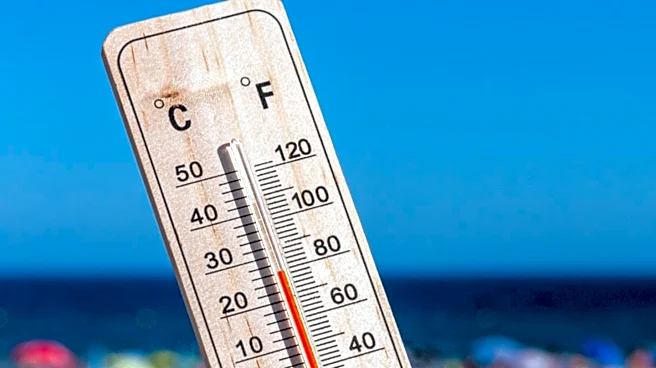
France is experiencing a severe heatwave that has resulted in approximately 1,000 excess deaths, according to the French public health agency. The heatwave, which began on June 20, has been described as the worst recorded in Europe, with temperatures
reaching 40 degrees Celsius in some areas. The majority of the fatalities have been among older individuals, particularly those aged 65 and above. The extreme heat has disrupted power generation, damaged infrastructure, and overwhelmed healthcare systems across Europe. The French public health agency warns that the death toll is expected to rise as more information becomes available, particularly concerning deaths in residential care and private homes.
Why It's Important?
The heatwave highlights the growing impact of climate change on Europe, which is now experiencing such extreme weather events more frequently. The situation underscores the vulnerability of infrastructure and public health systems to climate-induced stress. The high mortality rate among older populations points to the need for better preparedness and adaptation strategies to protect vulnerable groups. The disruption to power and transport systems also indicates potential economic impacts, as businesses and public services struggle to cope with the conditions. This event serves as a stark reminder of the urgent need for comprehensive climate action and resilience planning.
What's Next?
As the heatwave continues to move eastward, cooler weather is expected in Western Europe, which may provide some relief. However, the French health minister has indicated that the effects of the heatwave could linger for up to 10 days after temperatures subside. Authorities are likely to focus on assessing the full impact of the heatwave and implementing measures to prevent similar outcomes in the future. This may include enhancing public health responses, improving infrastructure resilience, and increasing public awareness about the risks associated with extreme heat.