





What's Happening?
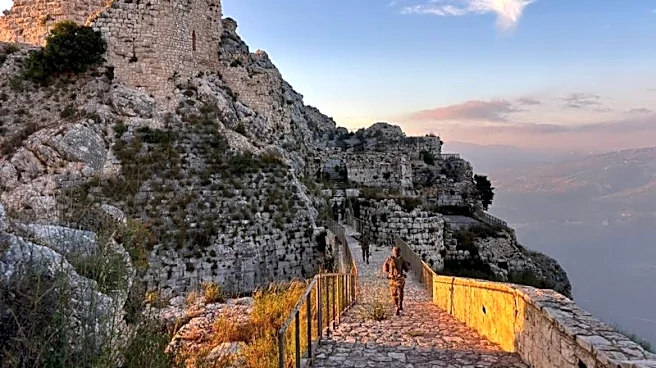
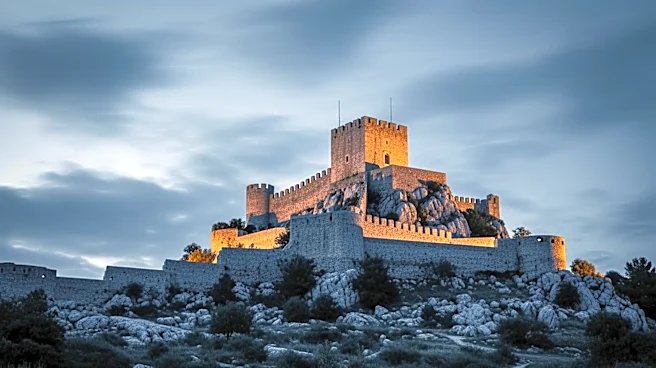
The Israeli military has captured the Beaufort Castle in southern Lebanon, marking its deepest incursion into the country in over 26 years. This strategic move comes amid ongoing hostilities with Hezbollah, which began after Hezbollah launched rockets
into northern Israel following U.S. and Israeli attacks on Iran. Despite a nominal ceasefire since April 17, Israel has expanded its ground invasion, capturing numerous villages and towns. The capture of Beaufort Castle, a historic fortress, represents a significant military advance for Israel. The operation occurs just days before scheduled direct talks between Lebanon and Israel in Washington, D.C.
Why It's Important?
The capture of Beaufort Castle is a pivotal moment in the Israel-Hezbollah conflict, underscoring Israel's military strategy and territorial ambitions. This development could influence the upcoming diplomatic talks, potentially giving Israel leverage in negotiations. The operation highlights the ongoing regional power struggle involving Israel, Hezbollah, and Iran, with broader implications for Middle Eastern stability. The international community, including the United Nations, may face increased pressure to intervene and mediate. The situation also raises concerns about the humanitarian impact on Lebanese civilians and the potential for further escalation.
What's Next?
The upcoming talks in Washington could be a turning point in the conflict, with potential outcomes affecting regional dynamics. Israel's continued military operations may provoke further responses from Hezbollah, potentially leading to an escalation in hostilities. The international community's role in facilitating dialogue and ensuring compliance with ceasefire agreements will be crucial. Monitoring the humanitarian situation in Lebanon and addressing the needs of displaced populations will also be essential. The strategic significance of Beaufort Castle may influence future military and diplomatic strategies in the region.